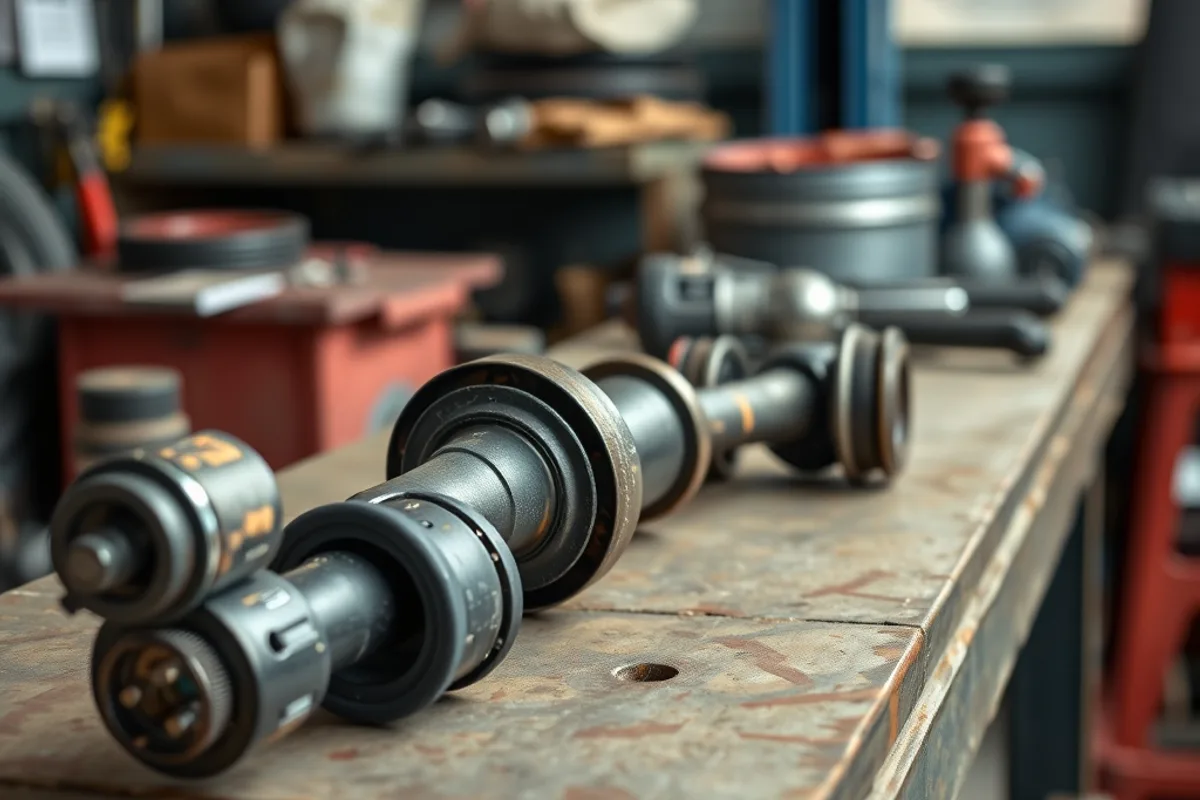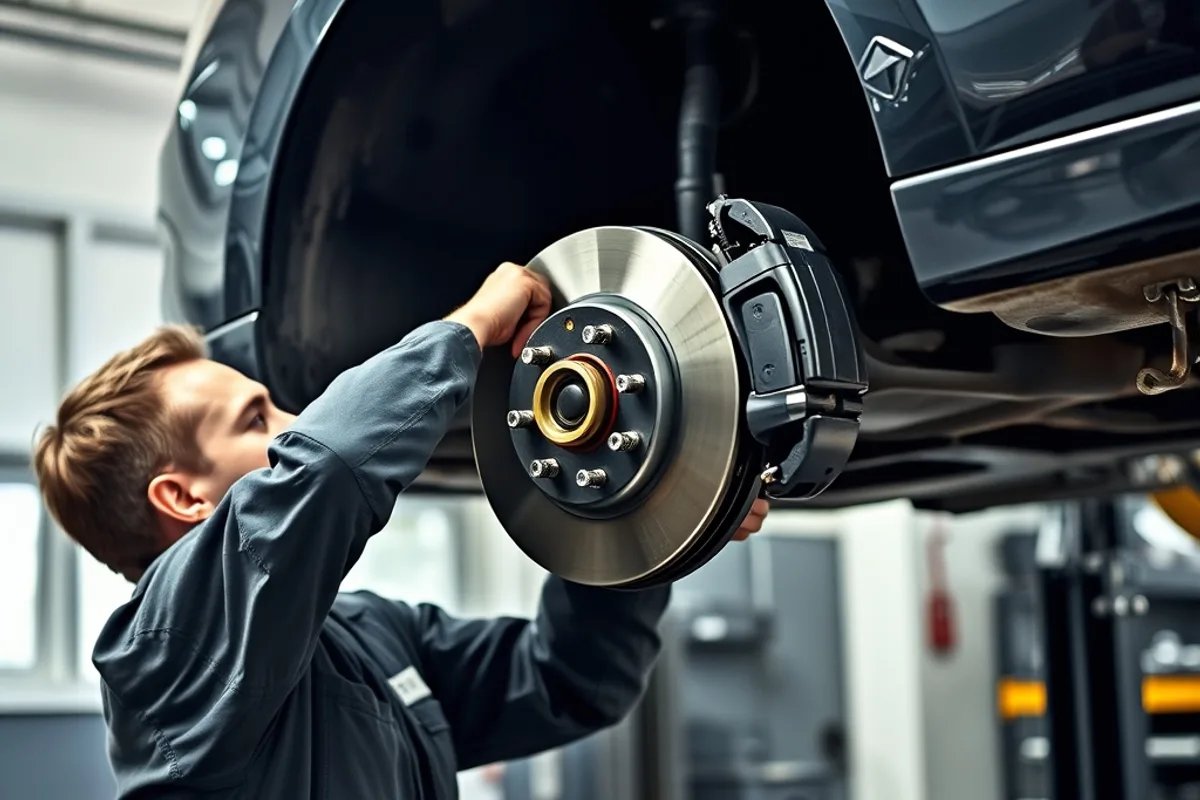
Brake work attracts strong opinions and cheap parts. Both are understandable: pads and rotors are consumables, the job looks simple, and the difference between a budget set and a premium set is invisible on the shelf. But brakes are the one system where a small saving can turn into noise, vibration, longer stopping distances or a repeat strip-down within a year.
The key idea is that pads and rotors are a friction pair. They bed into each other and then wear together. Replacing one without considering the other is like fitting new shoes to a worn sole.
What each part does
The caliper presses the pad against the rotor. The pad's friction material converts motion into heat, and the rotor absorbs and dissipates that heat. Everything else — shims, springs, sliders, fluid — exists to keep that contact even and predictable.
When the pair is matched, the pedal is firm, the car stops straight and the wheels stay quiet. When it is mismatched, the usual symptoms appear: squeal at low speed, a pulsation through the pedal, a grinding noise under light braking, or pads that wear unevenly across the axle.
Pad compounds explained
Friction materials are blends, but most road pads fall into a few families.
Organic and NAO
Non-asbestos organic pads are quiet, gentle on rotors and inexpensive. They are a good match for light cars and gentle driving. Their weakness is heat: they fade sooner and wear faster when worked hard.
Semi-metallic
These contain steel or copper fibres, which give strong bite and good heat tolerance. They suit heavier cars, towing and spirited driving. The trade-offs are more dust, more rotor wear and sometimes more noise when cold.
Ceramic
Ceramic pads use ceramic fibres and fillers to deliver stable friction, low dust and low noise across a wide temperature range. They cost more and can feel less aggressive when cold, which matters on a track car but rarely on the road.
Performance and track
High-performance pads trade cold bite and quiet operation for heat capacity. They often need heat to work properly and can be noisy and dusty in daily use. Do not fit them to a commuter car because the label sounds impressive.
For most drivers, a quality ceramic or NAO pad matched to the car's weight and use is the sensible default. The friction coefficient printed on the box matters less than a compound designed for the application.
Why rotors matter as much
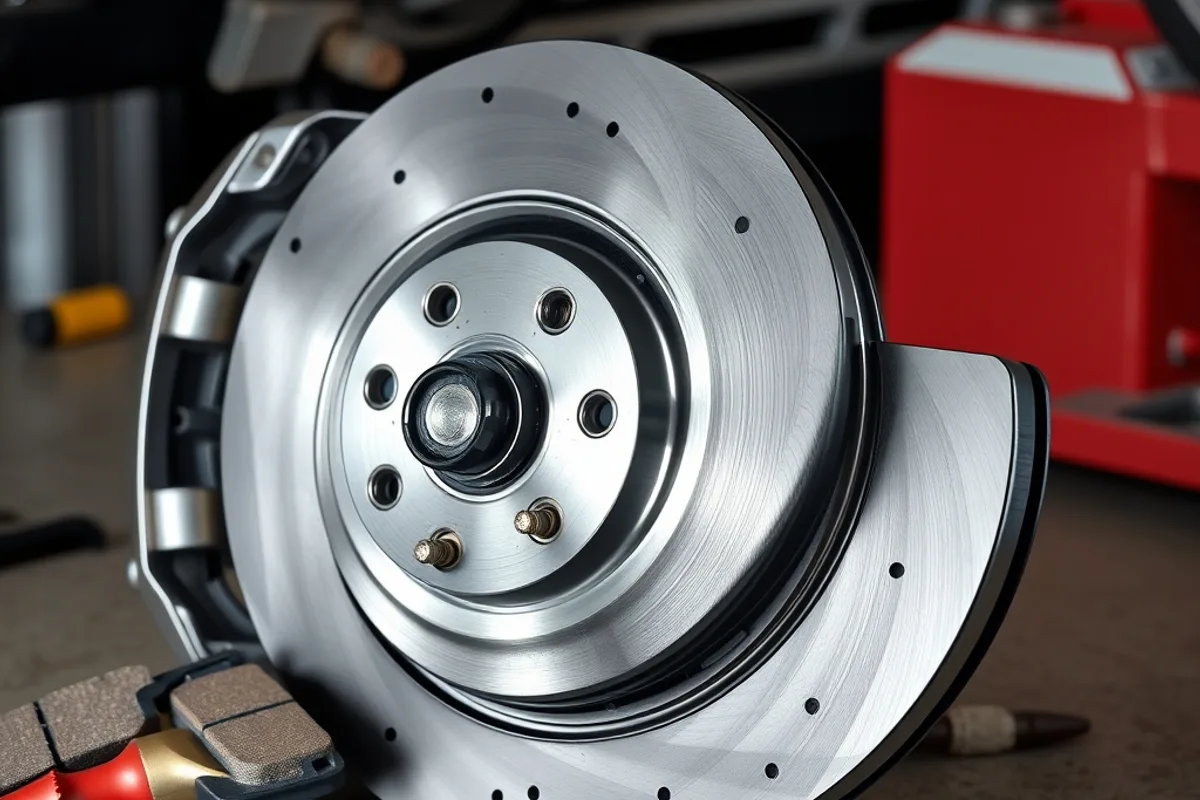
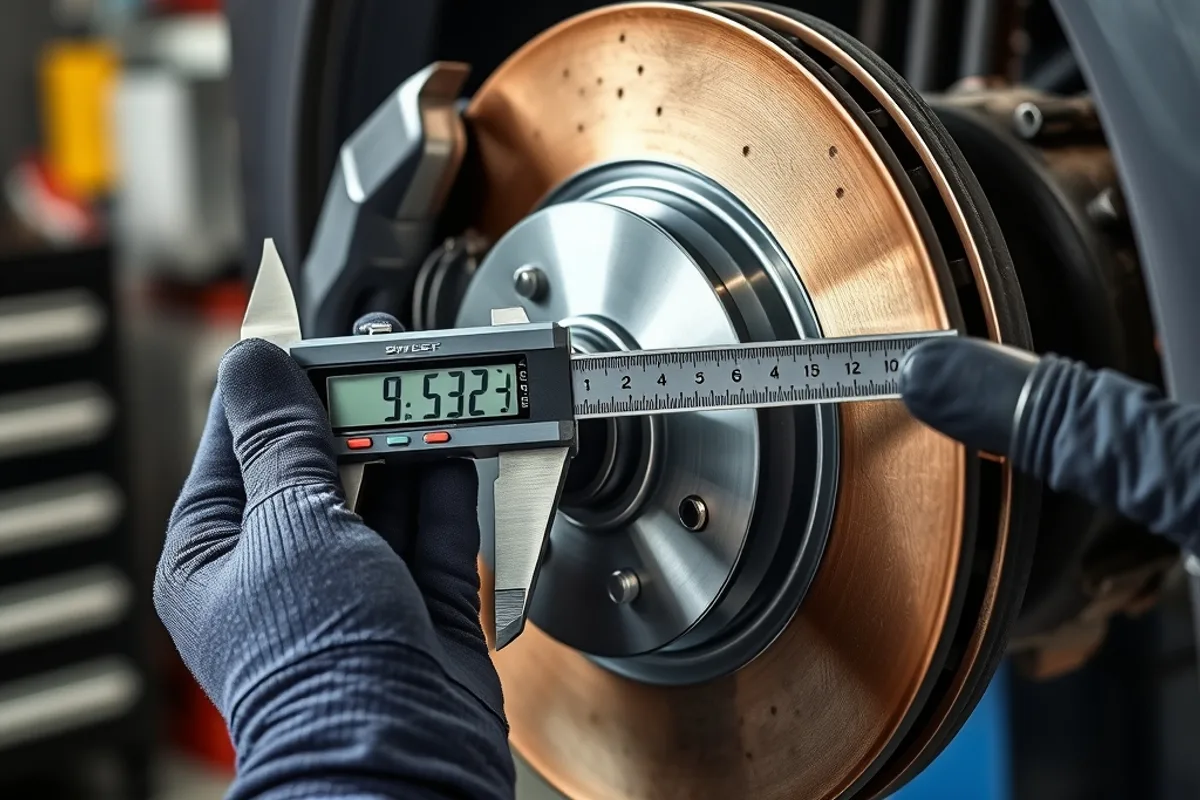
A rotor has a minimum thickness stamped on its hat or edge. Machining a rotor removes material, so a rotor that is already near the limit has no room left. Below the limit it cannot absorb heat safely and is more likely to warp or crack.
Three rotor details deserve attention:
- Venting. Vented rotors have internal vanes that pump air through the disc. Most front brakes on modern cars are vented; many rear brakes are solid. Do not downgrade.
- Coating. Geomet or zinc coatings protect the non-friction surfaces from rust and look neater behind open wheels. They do not change braking performance.
- Balance. Cheap rotors can be unbalanced or poorly machined, producing judder that no pad change will fix. A dial gauge and a micrometer are the right checks.
If a rotor has a pronounced lip, deep scoring, heat cracks or blue spots, replace it. Resurfacing can rescue a lightly worn rotor, but it costs labour and leaves less metal for the future. On a daily driver, new rotors are often the better value.
Bedding in a new set
New pads do not reach full friction until a layer of pad material is transferred evenly onto the rotor. That transfer layer is what makes brakes work consistently. Bedding-in builds it deliberately.
A typical procedure, on a safe empty road and within legal limits:
- Drive normally for a few minutes to warm the brakes gently.
- Make six to ten moderate stops from around 50–60 km/h, not to a complete halt, with a short gap between each.
- Follow with three or four harder stops from around 80 km/h, again slowing rather than stopping fully.
- Drive for several minutes without braking to cool the brakes, then park without holding the pedal down.
Exact recommendations vary by manufacturer, so follow the pad maker's instructions where provided. Avoid heavy braking and long downhill runs for the first few hundred kilometres, and never pour water on hot brakes to cool them.
Warning signs and fitment
Replace pads when the friction material is down to roughly 3 mm, or earlier if the wear indicator is touching. Replace rotors when they are below minimum thickness, cracked or badly scored. Inspect the whole corner, not just the pad.
Common fitment mistakes:
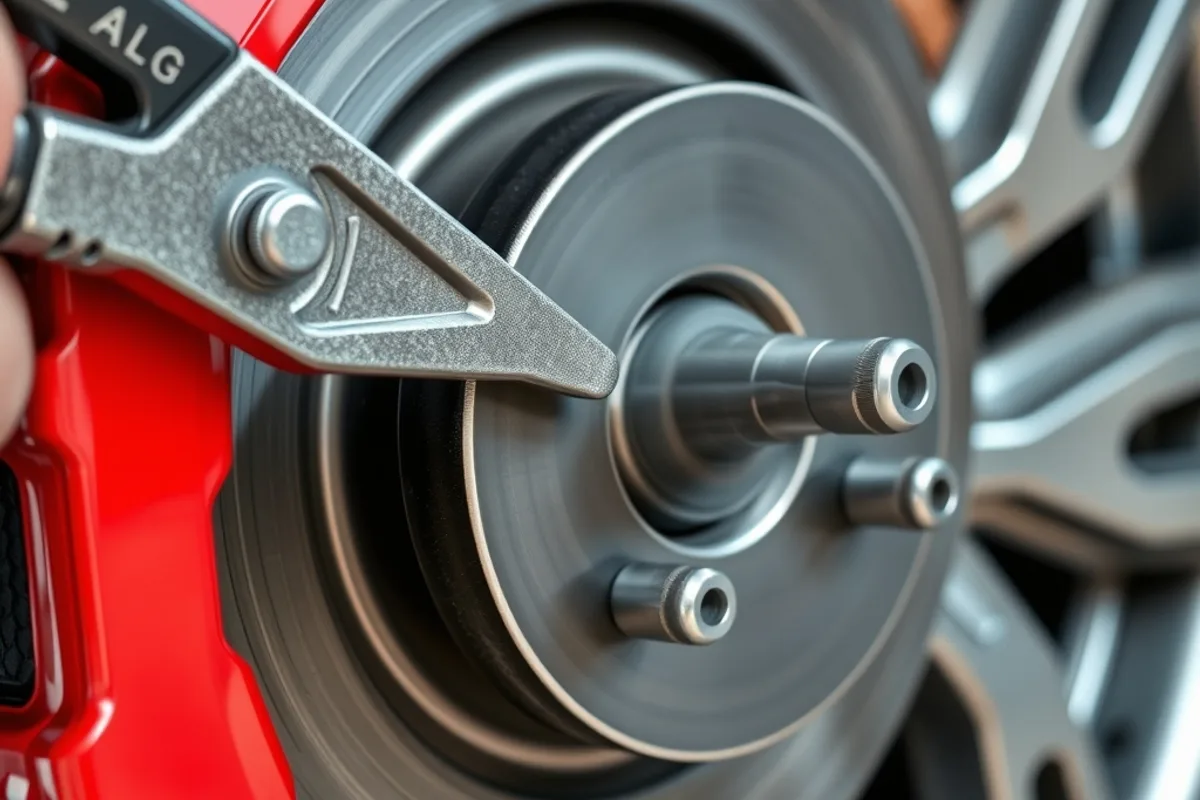
- Not cleaning the hub face. Rust or debris on the hub tilts the rotor and causes runout and judder.
- Reusing worn hardware. Sticking slide pins and tired anti-rattle clips cause uneven wear and noise.
- Forcing a pad into a dirty caliper bracket. The pad must slide freely; file the ears only where the manufacturer allows.
- Skipping brake fluid. Fluid absorbs moisture and degrades with heat. Flush it on the recommended interval.
- Ignoring the parking brake. Rear electronic parking brakes often need a service mode before retracting the caliper.
The bottom line
Buy pads and rotors as a matched set, from a brand that publishes its friction and fitment data. Match the compound to how the car is actually used, not to how you imagine it will be used. Replace hardware that has lost its spring, clean every mating surface, and bed the pads in properly.
If the pedal pulses, the car pulls or a wheel is noisy after the job, go back to the installation before blaming the parts. Brakes are unforgiving of shortcuts, but they are also one of the most satisfying systems to service well — quiet, progressive and dependable for tens of thousands of kilometres.