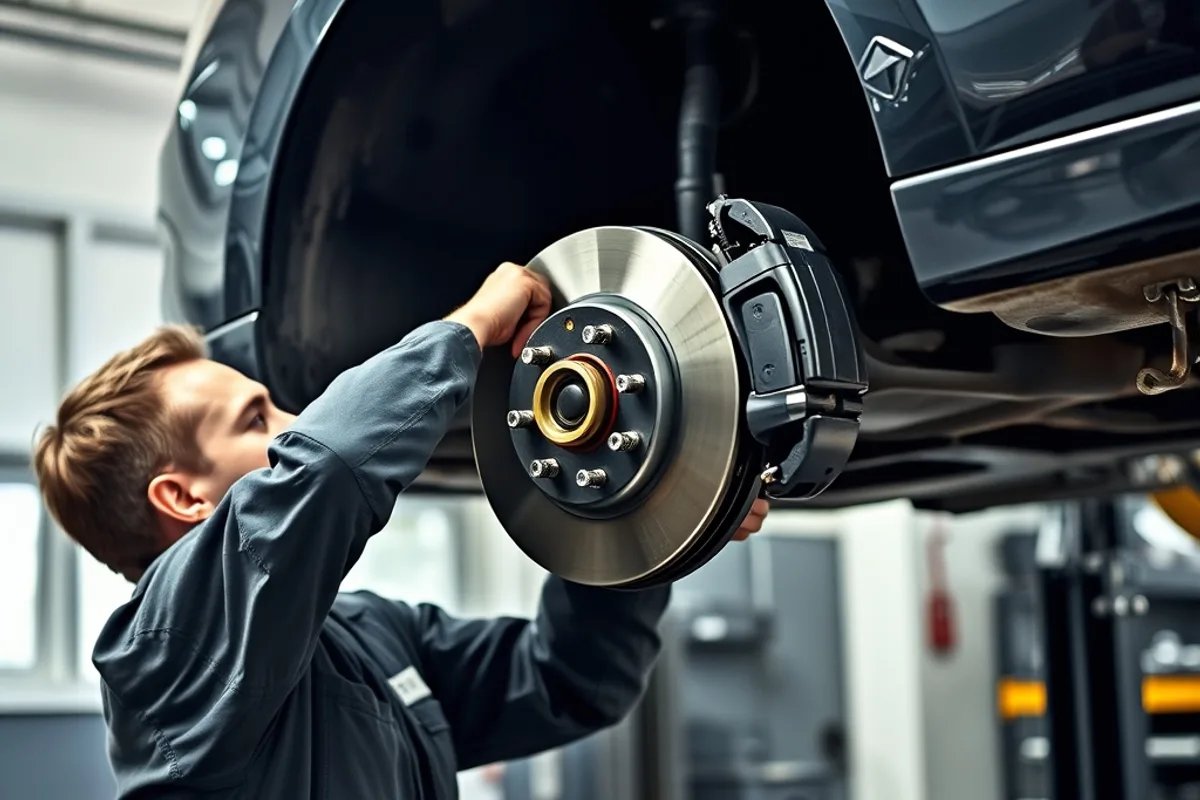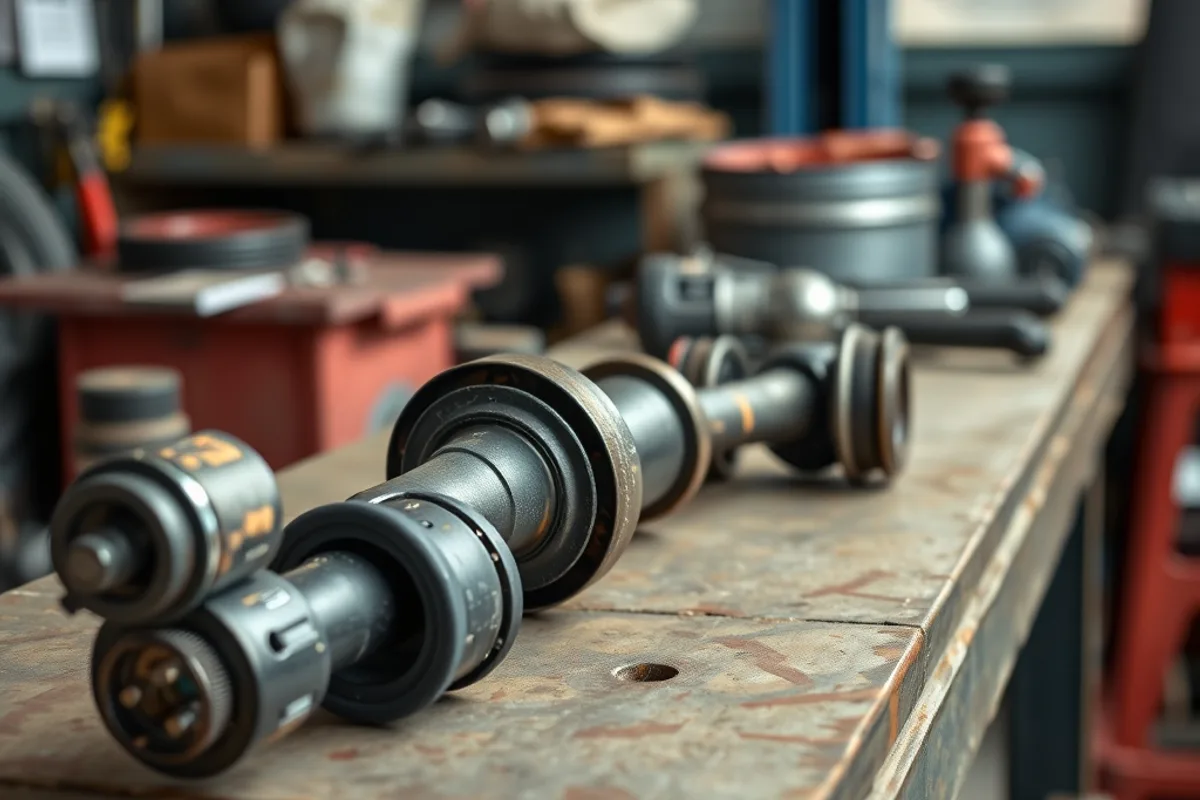
Suspension bushings are the quiet diplomats of a car. They sit between metal components, absorb vibration, allow controlled movement and isolate the cabin from the road. When they are new, nobody notices them. When they are worn, the car develops clunks, vague steering and uneven tyre wear. When they are replaced with the wrong material, the owner discovers just how much work the originals were doing.
This guide is about choosing and replacing bushings without wrecking the thing most drivers value most: the way the car behaves on an ordinary road.
What bushings actually do
A bushing is a compliant joint. It must allow suspension arms to rotate as the wheel moves, while restricting movement in directions that would upset geometry. It also blocks a path for noise and vibration travelling from the road into the body.
Different positions have different jobs:
- Control arm bushings locate the arm and define camber and caster changes under load. They take high forces and are the most commonly worn.
- Sway bar bushings allow the bar to rotate while anchoring it to the chassis. Worn ones cause clunks over bumps and vague turn-in.
- Strut top mounts isolate the spring and damper from the body. Failed bearings cause spring twang and steering memory.
- Subframe and engine mounts isolate larger loads. When they collapse, the whole car feels loose or buzzy.
Rubber versus polyurethane
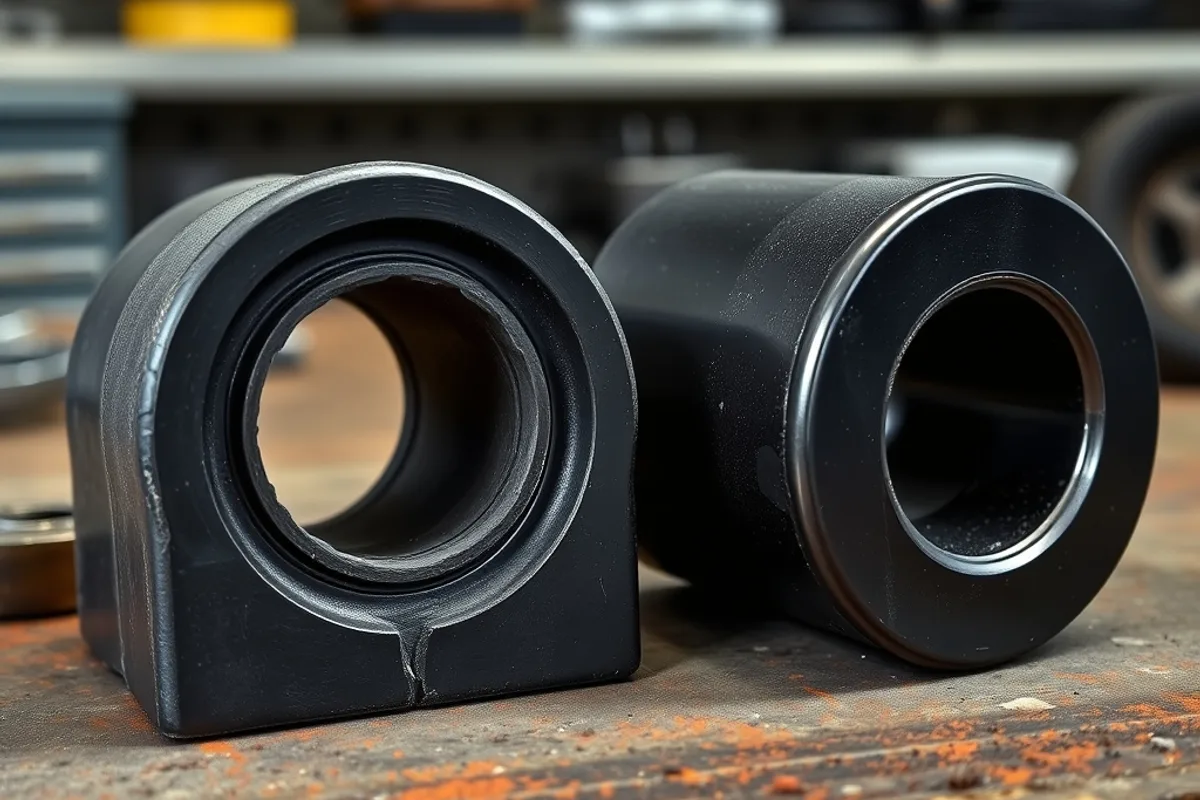
Original equipment bushings are usually rubber, often bonded to a metal sleeve. Rubber is excellent at isolating high-frequency vibration, and it is cheap to produce in tuned stiffnesses. Its weakness is ageing: ozone, oil, heat and time harden and crack it.
Polyurethane is a popular aftermarket upgrade. It is stiffer, more resistant to oil and chemicals, and available in different hardness grades. That stiffness sharpens response and reduces deflection under load, which is why performance builds use it.
The catch is that stiffness is not free. Polyurethane transmits more road noise and vibration into the cabin. On a smooth track it feels precise. On a broken city street it can turn a comfortable car into something harsh and noisy. It also needs periodic lubrication; without it, poly bushings squeak.
There is a middle path: rubber replacement bushings from a reputable manufacturer, or stiffer rubber from a performance model of the same platform. For most road cars, fresh rubber restores exactly the behaviour the designers intended.
Diagnosing worn bushings
Bushing faults produce a recognizable set of symptoms:
- Clunks over speed bumps or drain covers, especially when the suspension extends.
- Vague or delayed steering, with the car wandering on uneven roads.
- Uneven tyre wear across the tread, or feathering on the inner edge.
- Changes in alignment that will not hold after a service.
- Vibration or drone at particular speeds that is not wheel balance.
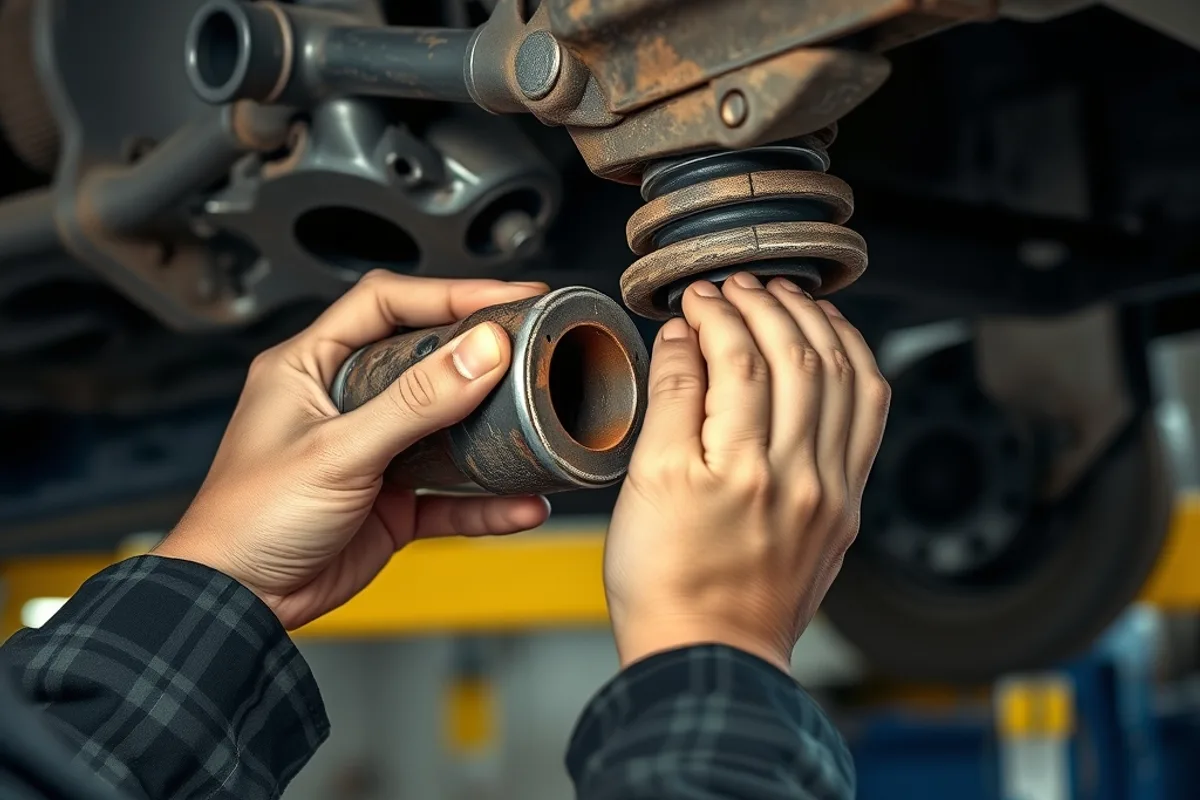
To confirm, raise the car safely and unload the suspension. Use a long pry bar to check for movement that should not exist, and inspect the rubber for cracks, tears, oil contamination and separation from the sleeve. Check both sides; wear is rarely symmetrical.
Do not overlook dampers and tyres. A blown shock can mimic a bushing clunk, and a damaged tyre can mimic a suspension vibration. Diagnose the whole corner before ordering parts.
Replacement done right
Bushing replacement is mechanical work, but the details decide whether it lasts.
- Identify the correct part and orientation. Some bushings are offset or directional. Fitting one backwards changes geometry.
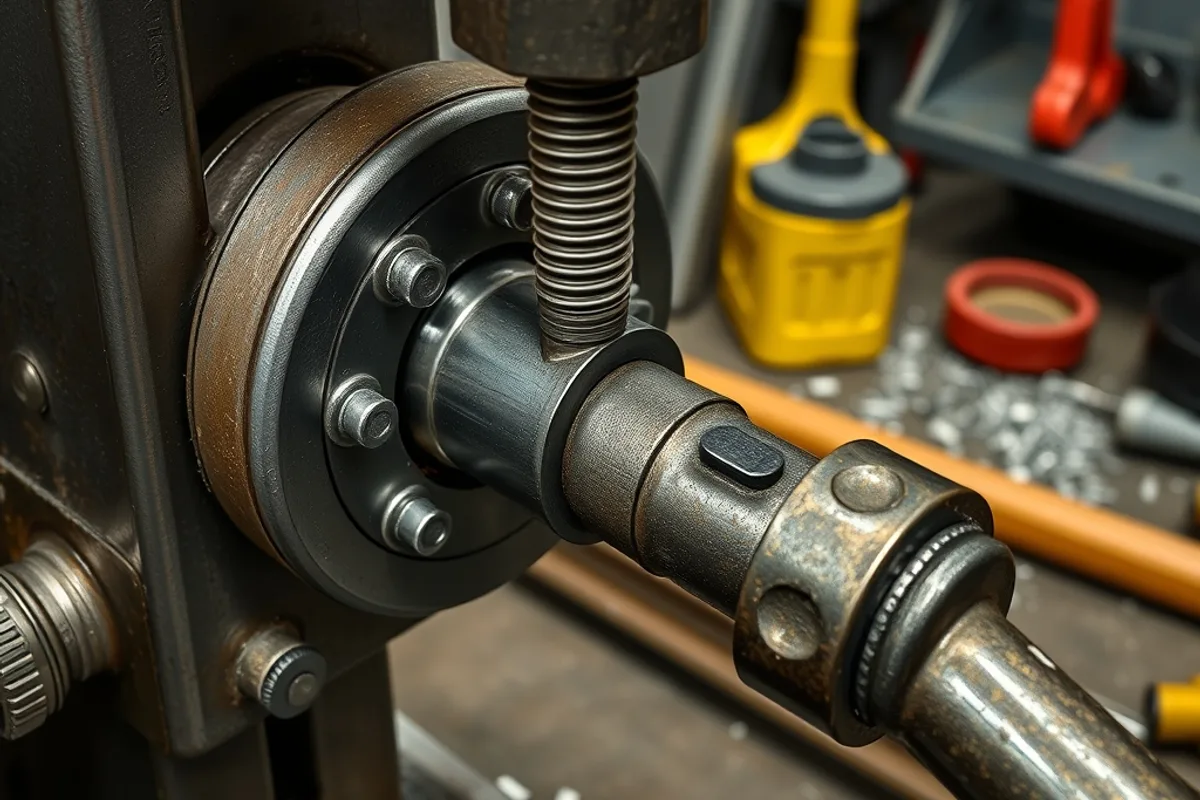
- Press, do not hammer. A hydraulic press and the correct driver cups avoid damaging the arm and the new bushing.
- Clean and inspect the arm. Corrosion inside the bore will prevent proper seating.
- Respect the torque and the loaded position. Many bushings must be tightened with the suspension at ride height, otherwise they twist preload into the rubber and fail early.
- Replace in pairs. If one side is worn, the other is close behind.
- Realign the car afterwards. Any suspension work that disturbs geometry needs an alignment check.
On older cars, the arm itself may be cheaper to replace than to rebush. Compare the cost of labour, pressing and new bushings against a complete arm with bushings and ball joint already fitted.
The NVH trade-off
NVH stands for noise, vibration and harshness. It is the subjective sum of everything the car transmits to its occupants. Bushings are one of the main filters in that chain, and changing them changes the filter.
A useful way to think about it:
- Comfort-oriented rubber filters high frequencies. Best for family cars, long commutes and poor roads.
- Stiff rubber or soft poly tightens response with a modest NVH increase. A reasonable compromise for a sporty daily.
- Hard poly or solid mounts maximize precision and minimize isolation. Appropriate for track cars, not for a car that must be pleasant at 7 a.m.
If you do fit polyurethane, choose the softest grade that meets the goal and apply the supplied grease properly. Keep the original bushings; you may want them back.

The bottom line
For a road car, fresh rubber bushings are usually the best upgrade: they restore steering precision, silence the clunks and keep the ride comfortable. Polyurethane is a legitimate choice for a car that is driven hard or modified, provided the owner accepts more noise and maintenance.
Diagnose properly, replace in pairs, tighten at ride height and align afterwards. Bushings are small, inexpensive parts, but they sit at the centre of how a car feels. Treat them with the same care as the dampers and tyres they work with.