Few products in the car world carry as much marketing weight as ceramic coating. It is sold as armour, as a permanent shine, as a replacement for washing. None of those claims survives contact with a real car park. What a coating does is narrower and more useful: it gives clean paint a harder, slicker, more chemical-resistant surface that is easier to maintain. Understanding that difference is the difference between a satisfied owner and a disappointed one.
The coating itself is usually a liquid based on silicon dioxide or a similar ceramic polymer. Once applied and cured, it forms a microscopic film — typically a few microns at most — that cross-links with the clear coat. It is thin. It is not a wrap, a clear bra or a second layer of paint. Its performance comes from surface chemistry, not from thickness.
What a coating actually is
A modern coating is a two-part relationship: the chemistry in the bottle and the condition of the surface underneath. The chemistry determines how the film cures, how hydrophobic it becomes and how well it resists UV, bird droppings and industrial fallout. The surface determines whether the film can bond evenly at all.
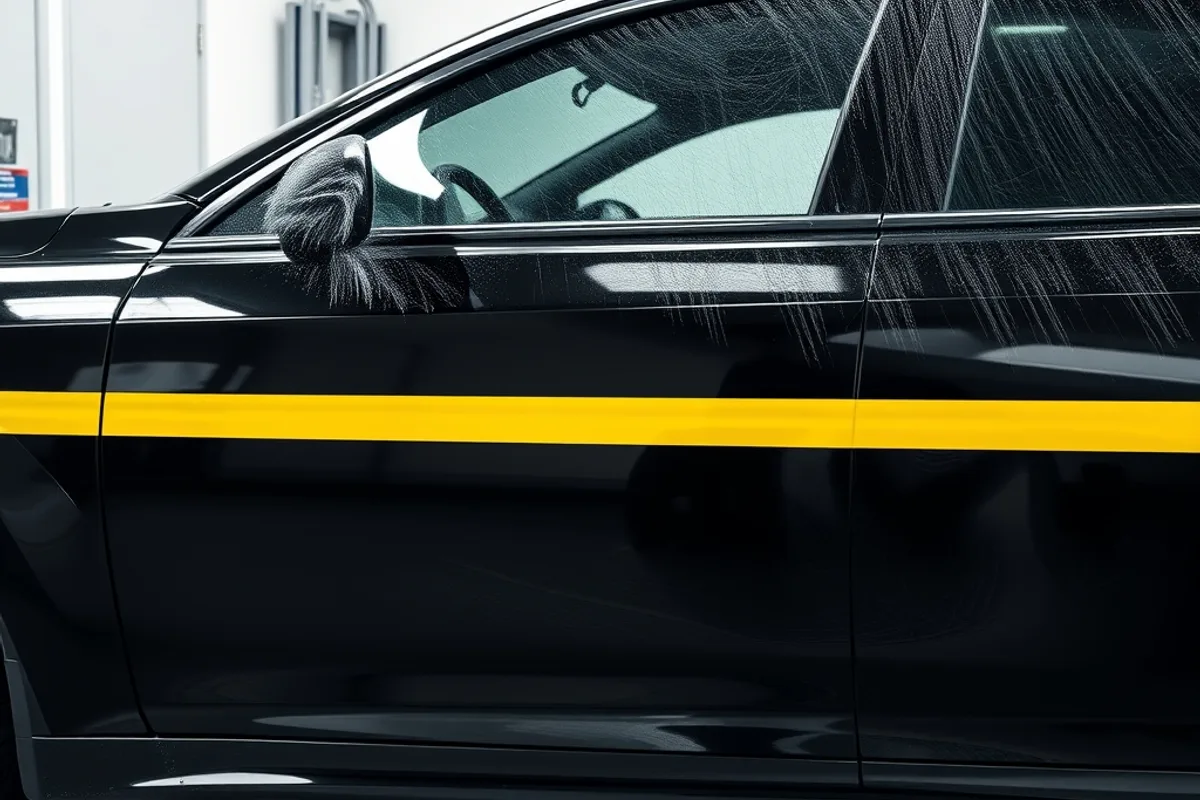
Paint is not flat, even when it looks flat. Under magnification it is a landscape of pores, scratches and old wax residue. A coating applied over that landscape locks it in. Swirl marks stay visible, contamination stays trapped and the hydrophobic layer sits on top of debris rather than on paint. This is why a coating applied to a poorly prepared car often looks worse after a month than it did on day one.
Manufacturers quote durability in years, but the number assumes ideal preparation, correct curing and regular maintenance. Treat those as conditions, not promises. A well-prepped coating maintained with a pH-neutral shampoo will outlast a premium coating slapped onto a swirled surface every time.
What it protects against
It helps to sort threats into three groups, because a coating handles them very differently.
Things it genuinely resists
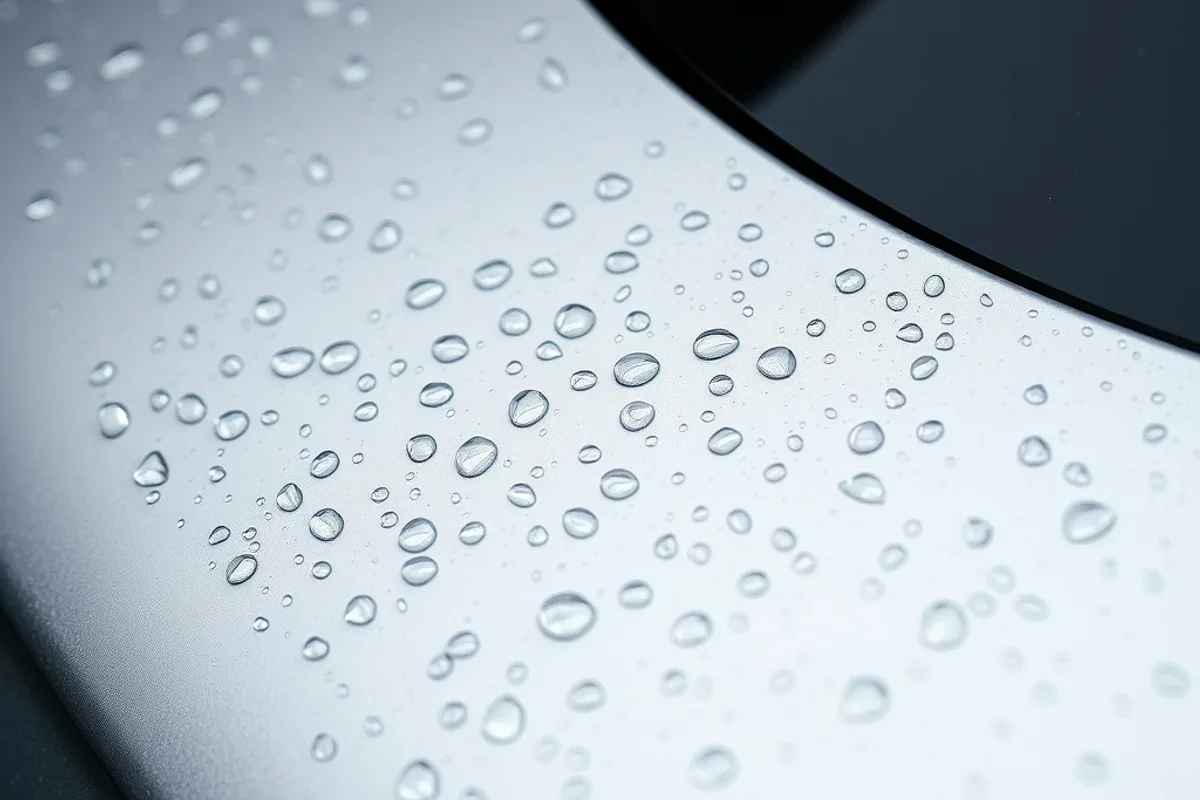
- Water spotting and mineral deposits. A hydrophobic surface sheds water quickly, so fewer droplets dry in place and leave rings.
- Bird droppings and insect remains, provided they are removed promptly. The coating buys time; it does not grant immunity.
- Light chemical attack from traffic film, tar and typical wash products.
- UV exposure, to a degree. A coating slows oxidation of the clear coat but does not stop it indefinitely.
Things it helps with, but does not prevent
- Washing. A coated car is faster and safer to wash because dirt releases more easily. That reduces the chance of inflicting swirls, which is a real benefit.
- Bonded contamination such as iron fallout and tar. It reduces how much sticks, not whether any sticks.
- Fading and etching from repeated exposure, by slowing the process.
Things it does not protect against
- Stone chips. A few microns of film will not absorb an impact that removes paint. For that you need a physical film, not a coating.
- Scratches from keys, trolleys or tight parking. The coating is harder than clear coat but not hard enough to stop a deliberate scrape.
- Bad wash technique. If you drag a gritty sponge across the car, you will still mar the surface. The coating may make the marks slightly less obvious, but they are there.
Owners who expect the last group to be solved by a coating are the ones who feel cheated. Owners who expect easier cleaning, better gloss and slower ageing usually feel the money was well spent.
Preparation decides everything
A professional coating job follows a sequence, and each step exists for a reason.
- Decontamination wash. A strip wash removes old wax and sealant, then iron remover and tar remover lift bonded particles. Clay treatment follows to pull out what chemicals leave behind.
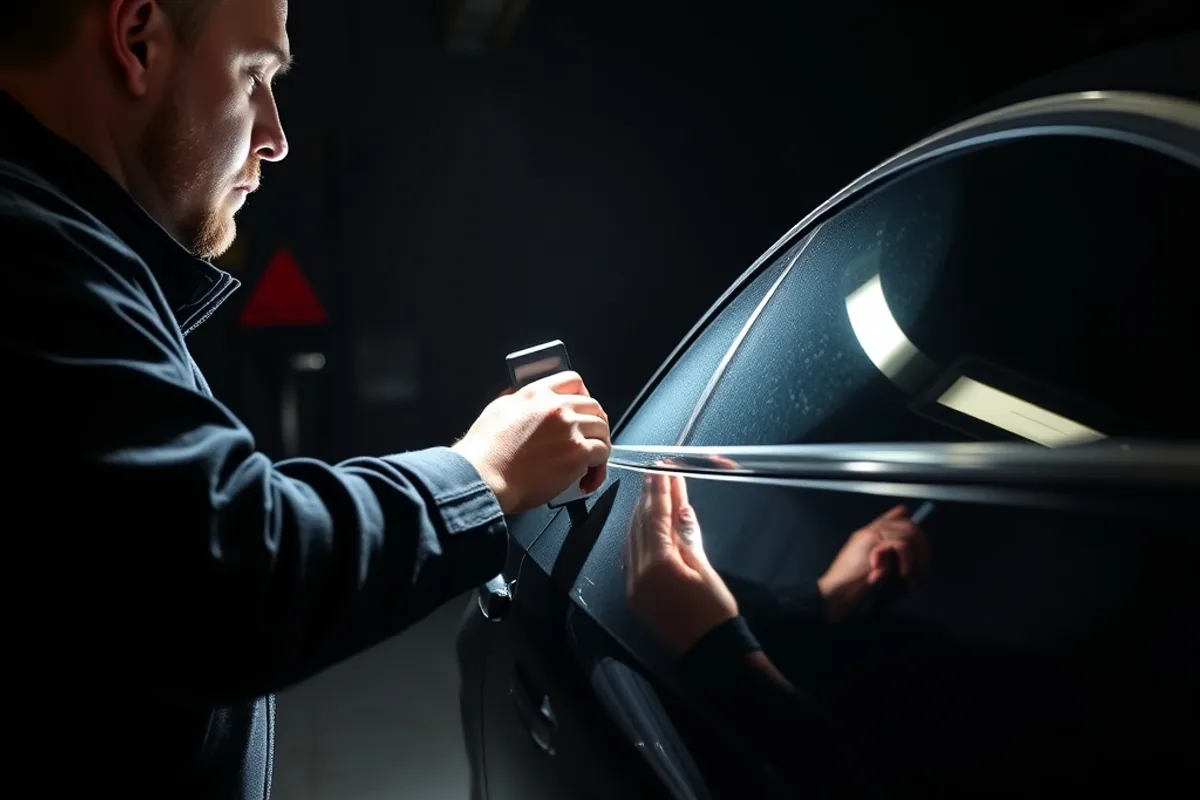
- Inspection. High-intensity lights reveal swirls, random deep scratches and previous repair work. Paint thickness readings tell you how much clear coat is left to work with.
- Correction. Machine polishing removes or reduces defects. This is the longest and most skilled stage, and it is where most of the visible result comes from.
- Panel wipe. An isopropyl alcohol or dedicated prep spray removes polishing oils so the coating can bond to bare, clean clear coat.
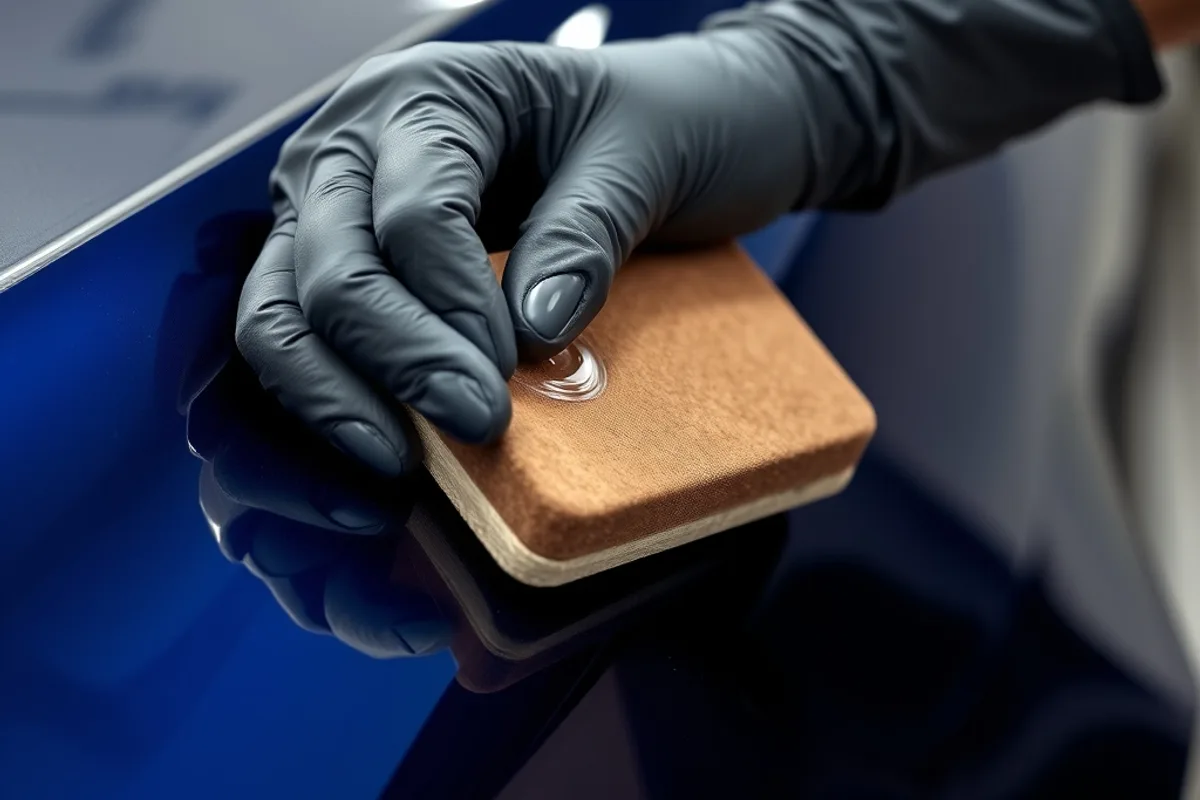
- Application and cure. The coating is applied panel by panel, levelled, and left to cure under controlled conditions, away from moisture and dust.
The gap between a budget coating and a premium one is smaller than the gap between good and bad preparation. That is not an argument for buying the cheapest bottle. It is an argument for paying for time, skill and a clean environment rather than for a logo.
Reading a coating spec
Coating labels are not standardised, but a few numbers and terms are worth understanding.
Solids content hints at how much material remains after the carrier evaporates. Higher is not automatically better, but very low-solid products tend to be short-lived spray sealants rather than true coatings.
Contact angle describes how a water droplet sits on the surface. A higher angle means more beading, but beading alone is a poor durability test. Some coatings bead beautifully while their chemical resistance has already faded.
Cure time matters. Most coatings need 24 to 48 hours away from water, and some need longer before the first wash. A shop that hands the car back in an hour and sends it into rain is shortening the product's life.
Layering claims should be treated with suspicion unless the manufacturer explicitly supports them. More coats do not always mean more protection, and excess product can cure unevenly.
Ask what is included: decontamination, correction stage, coating of glass and wheels, and a maintenance plan. A quote that lists only the coating is usually incomplete.
Maintenance that keeps it
A coating is a consumable, not a one-time event. Its surface slowly collects minerals, traffic film and wash residue, which mask the hydrophobic layer. The fix is routine and inexpensive.
- Wash every two to four weeks with a pH-neutral shampoo and the two-bucket method. Avoid dish soap and harsh degreasers.
- Use a dedicated coating maintenance spray or a SiO2-infused drying aid every few washes to restore slickness.
- Decontaminate twice a year with iron remover and a soft clay mitt if the surface feels rough.
- Park under cover where possible. UV and tree sap are the two fastest ways to age any protection.
- Remove bird droppings and bug splatter promptly, with plenty of water and no hard scrubbing.
Wheel coatings and glass coatings are worth adding because they address the surfaces that get dirtiest. A coated windshield sheds rain better and makes bug removal easier, though it will not replace worn wiper blades.
The bottom line
A ceramic coating is a sensible purchase for an owner who keeps a car clean, parks it thoughtfully and wants the paint to stay glossy with less effort. It is a poor purchase for someone hoping to skip maintenance or to armour the car against stone chips and careless neighbours.
Spend the budget in the right order: correction first, coating second, maintenance products third. A modest coating on well-prepared paint will look better and last longer than an expensive coating on paint that was never properly cleaned. And if the car is a daily driver that lives outside, be honest about the conditions — a quality sealant reapplied every few months may deliver most of the benefit for a fraction of the cost.