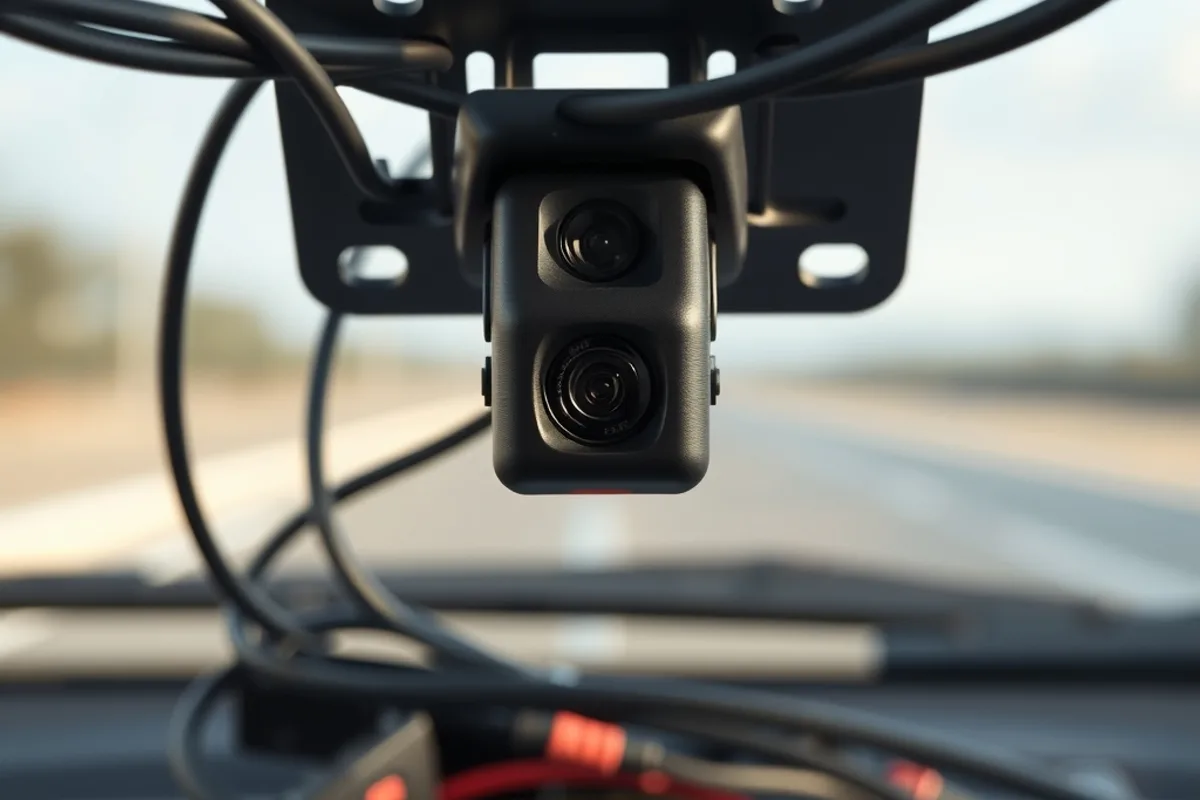
Behind the rear-view mirror of most modern cars sits a small camera that watches the road. It reads lane markings, spots pedestrians and vehicles, and feeds adaptive cruise control and automatic emergency braking. The camera is mounted to the windshield, and its aim is measured in fractions of a degree. Replace the glass, and that aim can shift enough to matter.
That is why windshield replacement on an ADAS-equipped car is not just a glass job. It is a glass job plus a calibration of the systems that depend on the camera.
What the camera sees
A forward-facing camera module typically provides:
- Lane departure warning and lane keeping assist, by tracking road markings.
- Adaptive cruise control and traffic jam assist, by estimating distance to the vehicle ahead.
- Automatic emergency braking and forward collision warning.
- Traffic sign recognition on some vehicles.
- Automatic high beam control.
Some cars also use radar behind the grille and ultrasonic sensors in the bumpers. Those systems have their own calibration needs after bumper or suspension work. The windshield camera is simply the one most often disturbed by routine glass replacement.
Why glass work triggers calibration
The camera bracket is bonded to the glass. Even a genuine replacement windshield can position the bracket a fraction differently, and the optical properties of the glass — its wedge angle, coating and distortion — affect what the camera sees. The mounting height also changes if the replacement glass is not identical to the original.
A camera that is aimed slightly high sees the horizon differently. A camera aimed slightly low may see more road surface and less sky. The software can compensate within a range, but only if it is told what the new reference looks like. That is what calibration does.
Calibration is also required after:
- Suspension work that changes ride height.
- Wheel alignment changes outside the accepted range.
- Replacing or removing the camera module.
- Repairing or replacing a bumper covering a radar sensor.
- Some battery replacements, if the vehicle loses its stored calibration values.
Static versus dynamic calibration
There are two main methods, and many cars need both.
Static calibration
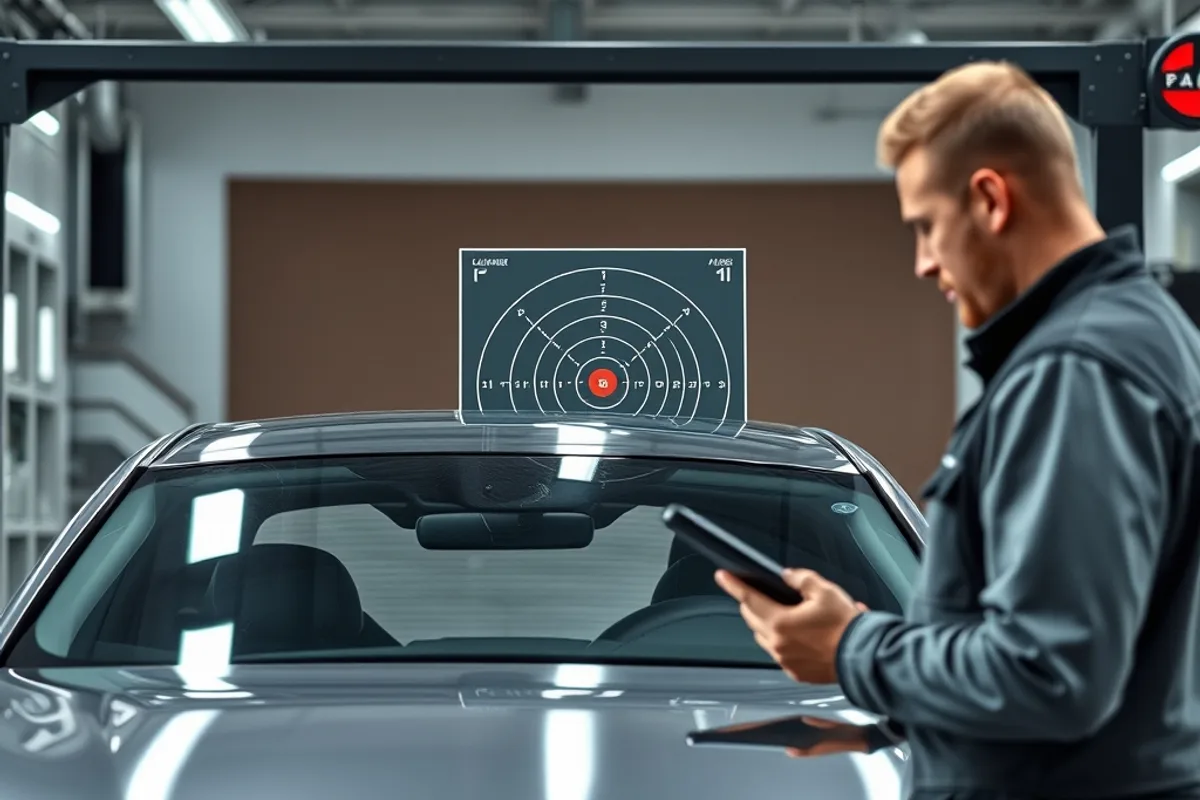
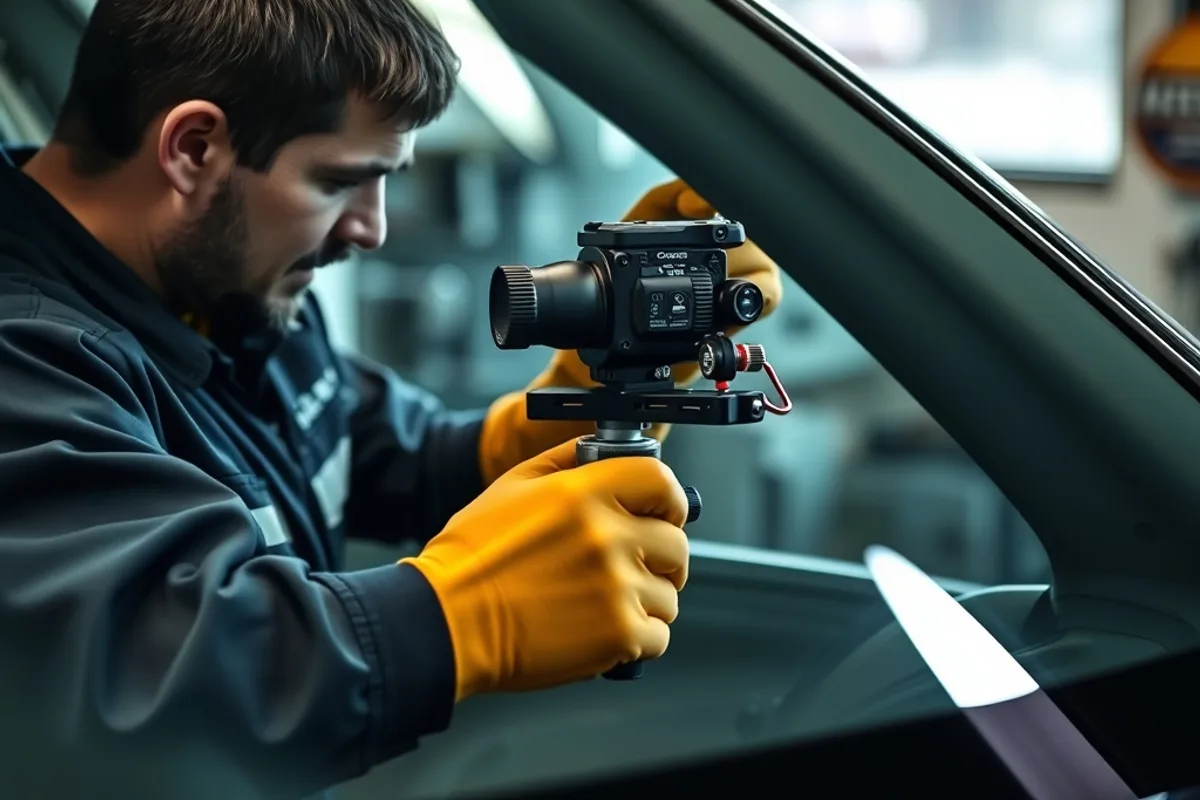
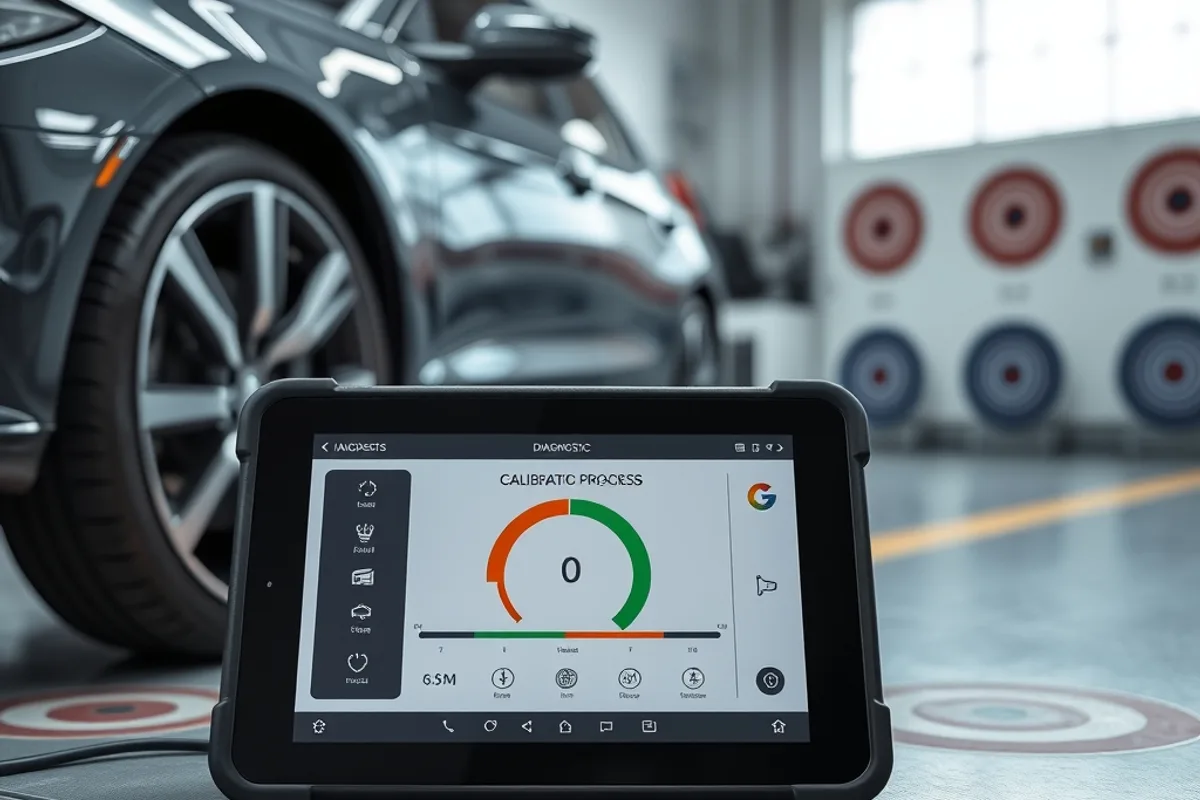
The vehicle is parked on a level floor at a specified distance from large target boards. The technician enters a service mode with a diagnostic tool, and the camera aligns itself to the targets. The process requires space, correct lighting and precise positioning. It cannot be rushed in a cramped workshop.
Dynamic calibration
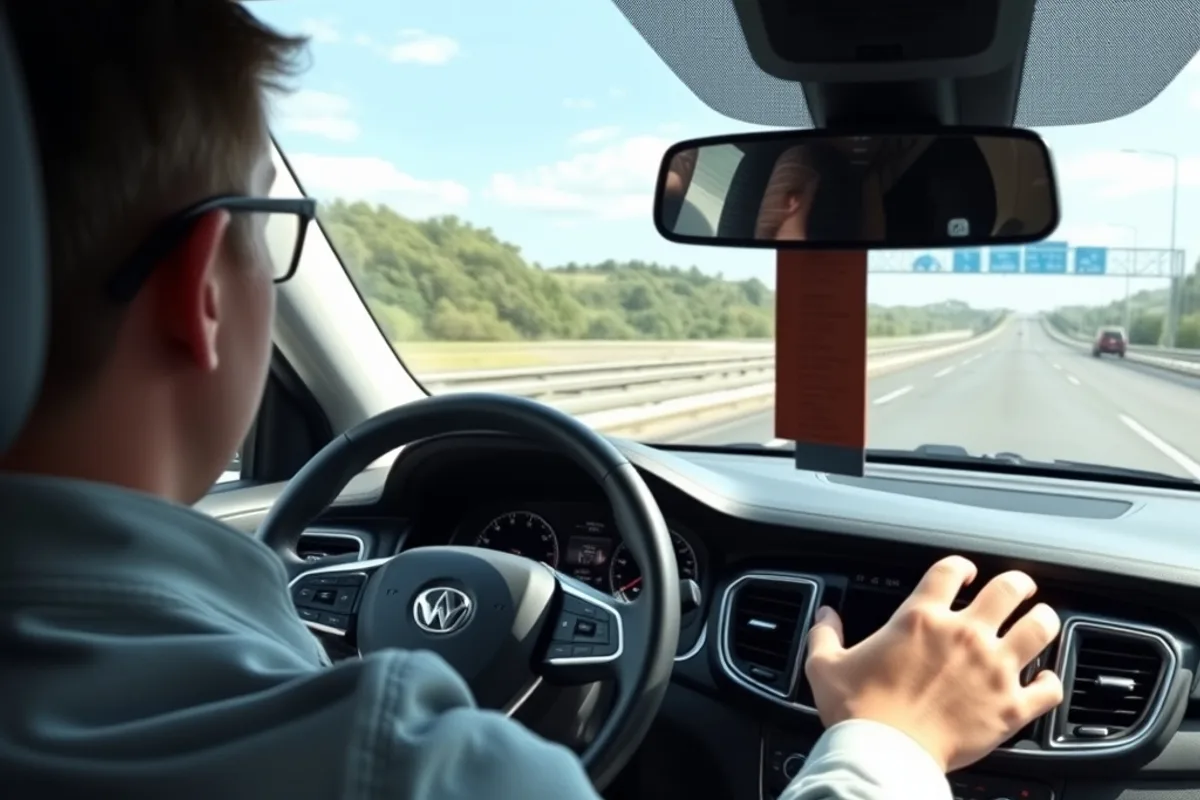
The car is driven on a road with clear markings, within specified speed and lighting conditions, until the system completes its self-check. This can take anything from a few minutes to a long drive, depending on the manufacturer.
Some vehicles also require a "drive cycle" afterwards, and some need the calibration confirmed with a scan tool. A shop that says "just drive it, it will sort itself out" may be right for one model and wrong for the next.
What can go wrong
An uncalibrated or badly calibrated system usually does not fail loudly. It may:
- Warn intermittently that lane keeping is unavailable.
- Pull gently to one side on a straight road.
- Brake later or earlier than expected in traffic.
- Misread a vehicle ahead when cresting a hill.
- Disable adaptive cruise control entirely.
Those behaviours are safety-relevant. They also erode trust: a driver who has been startled by a phantom brake event may switch the system off permanently, which defeats the purpose of buying it.
Poor calibration is often a process problem rather than a software problem: an uneven floor, targets at the wrong distance, incorrect tyre pressures, a dirty windshield, or a battery that drops voltage mid-procedure. The calibration environment matters as much as the tool.
Questions to ask the shop
Before booking a windshield replacement, ask:
- Does this vehicle require calibration after glass replacement, and which type?
- Is calibration included in the quoted price, or billed separately?
- Does the shop have the targets, space and diagnostic software for this model?
- Will the invoice confirm that calibration was completed successfully?
- Is a post-calibration road test included?
- Will any driver assistance features remain limited until calibration is done?
If the answer to the first question is "probably not", get a second opinion. Vehicle-specific service information is the only reliable source. The cost of calibration is small compared with the cost of a safety system that is quietly misaligned.
The bottom line
Windshield replacement on a modern car is a safety-system service. Insist on the correct glass, a clean installation and the calibration the manufacturer specifies. Keep the documentation, especially if you plan to sell the car.
If a warning light appears after the work, return to the shop rather than living with it. A driver assistance system that is not calibrated is not merely inconvenient. It is a system you cannot rely on at the moment you need it most.