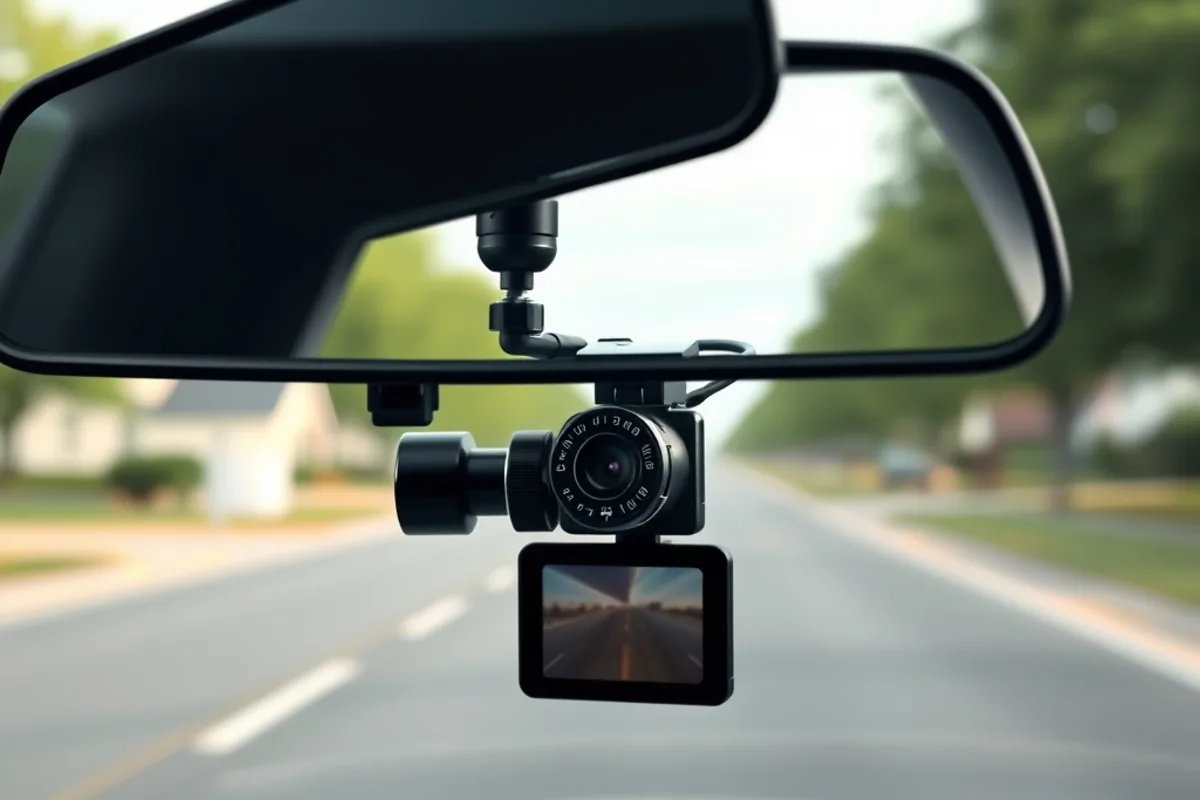
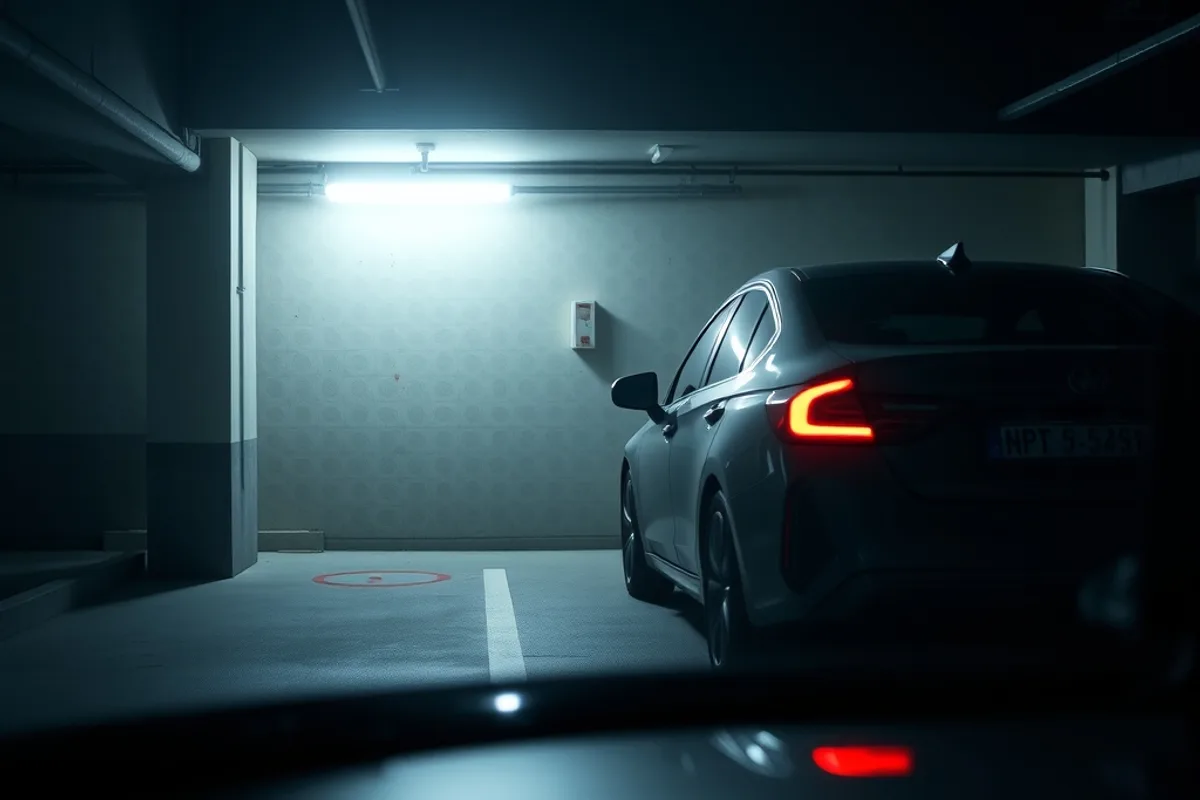
A dash cam is one of the few accessories that pays for itself the first time something goes wrong. Parking mode extends that protection to the hours when the car is most vulnerable: parked on a street, in a car park or outside a house. It also creates a new problem, because the camera is now drawing power from a battery that has to start the engine in the morning.
Getting parking mode right is mostly about power management. The camera, the wiring and the cut-off settings have to work as a system.
How parking mode works
Parking mode is not one feature. Depending on the camera, it may include:
- Continuous low-bitrate recording, which records constantly at a reduced quality and frame rate.
- Motion detection, which records when the image changes.
- Impact or G-sensor triggering, which starts recording when the car is bumped.
- Time-lapse, which captures a frame every second or so.
- Buffered events, which keep a few seconds before the trigger so the clip has context.
All of them use power. Continuous recording uses the most; impact-only modes use the least, but they may miss slow damage that does not produce a sharp jolt. A good camera lets you choose, and a good installation lets you leave it parked without worry.
The voltage cut-off
The heart of a safe hardwired installation is the voltage cut-off. It monitors the car battery and stops power to the camera when the voltage falls to a set threshold, preserving enough cranking power to start the engine.
Typical settings are around 12.0 V to 12.4 V, but the right figure depends on the battery type and the climate. A conventional lead-acid battery at 12.2 V is already partly discharged. An AGM or EFB battery tolerates deeper cycling better, but no battery enjoys being drained repeatedly.
Practical guidance:
- Set the cut-off conservatively if the car is used infrequently or the battery is old.
- Use a timer as well as a voltage cut-off, so the camera stops after a set number of hours.
- Test the setup over a weekend before relying on it.
- Replace a battery that is already weak. Parking mode exposes it.
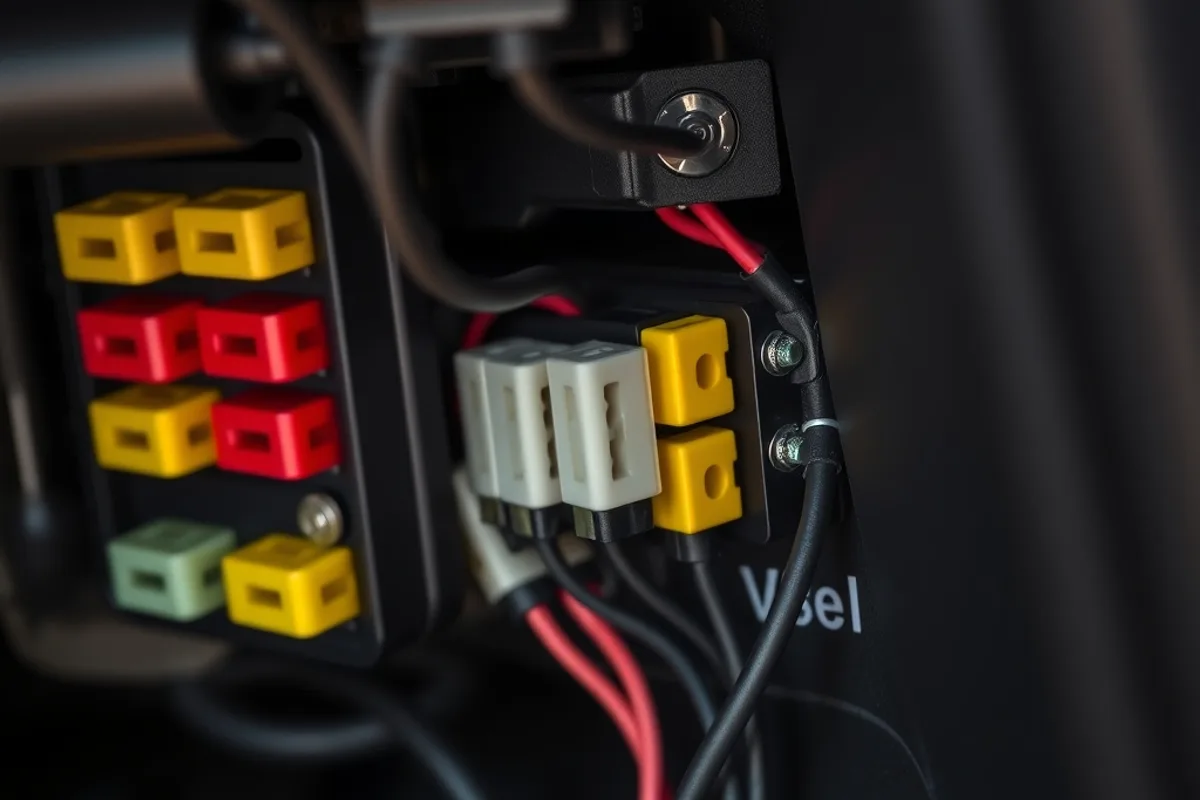
Cheap hardwire kits sometimes lack a reliable cut-off or use thin wiring. A proper kit uses fused connections, adequate cable and a clean ground. The fuse tap should be chosen so the camera is not sharing a critical circuit.
Hardwire or battery pack
Hardwiring
Hardwiring is the cleanest solution for a car that is driven regularly. The camera gets constant power and switched power, and the cut-off protects the battery. It requires access to the fuse box, a route for the cable and a willingness to remove trim carefully.
Use a fused tap, avoid airbag wiring, and route cables away from sharp edges and moving parts. If the car is under warranty, check whether a hardwired accessory affects it. In most cases it does not, but the installation should still be reversible.
Dedicated battery pack
A dash cam battery pack is a separate lithium or supercapacitor unit that powers the camera in parking mode and recharges while the car runs. It protects the car battery completely and can run for many hours, depending on capacity and camera load.
Battery packs cost more and take up space, and they add another component that can fail. They are the better choice for cars that are parked for days, for vehicles with sensitive electrical systems, or for owners who want maximum recording time without touching the car battery.
Portable power bank
A consumer power bank is not a substitute. Most are not rated for the temperature range inside a car and may not support pass-through charging safely. Use a product designed for the job.
Heat, storage and clips
A car interior can exceed 60 °C in summer sun. Lithium batteries dislike that, and some dash cams shut down or degrade. Look for a camera with a supercapacitor rather than an internal lithium battery, and mount it out of direct sun where possible.
Storage is the other half of the system. Parking mode generates a lot of footage, and a small memory card will overwrite the clips you need. Use a high-endurance card rated for continuous recording, format it in the camera, and check it regularly. A card that has failed silently is worse than no camera at all.
Review a few clips each month. Check that the timestamp is correct, the lens is clean and the footage is actually readable at night. A camera that records a dark blur is not evidence.
Privacy and local rules
Recording in public is generally permitted in many places, but the rules vary. Some jurisdictions restrict recording audio, some restrict filming people without consent, and some require signs in commercial vehicles. Parking mode can also capture neighbours and passers-by for long periods.
Keep the camera pointed at the road and the car, not into private property. Disable audio unless you need it. Check local regulations and, if the footage may be used as evidence, preserve the original files and note the time and date.
The bottom line
Parking mode is worth having if the car is regularly left in public. Choose a camera with a proper parking mode, a reliable voltage cut-off and high-endurance storage. Hardwire it with a fused kit or use a dedicated battery pack, and set the cut-off conservatively.
Then test it. Leave the car parked for a weekend, check the footage and check the battery voltage. The best parking setup is the one you forget about until you need it — and that still starts the car on Monday morning.