A roof rack looks like a simple frame, and that simplicity is deceptive. The roof of a car is thin steel or aluminium designed to carry a load spread across its surface, not a point load bouncing on a crossbar at highway speed. The rack, the rails and the roof each have a limit, and the lowest limit is the one that matters.
Understanding load ratings is the difference between a useful accessory and a warranty claim waiting to happen.
Dynamic versus static load
Manufacturers usually quote two figures:
- Dynamic load is the maximum weight the rack can carry while the car is moving. This is the number that applies on the road, and it is much lower because it accounts for braking, cornering, wind and vibration.
- Static load is the maximum weight the rack can support when the car is parked — for example, a roof tent with people inside. It is higher, but it assumes the vehicle is stationary and level.
Roof tent marketing often focuses on static load. The car still has to drive there with the tent on the roof, and that is a dynamic load. Check both figures, and check the vehicle's own roof limit, which may be lower than the rack's.
Rails, clamps and naked roofs
There are three common roof types:
Raised roof rails
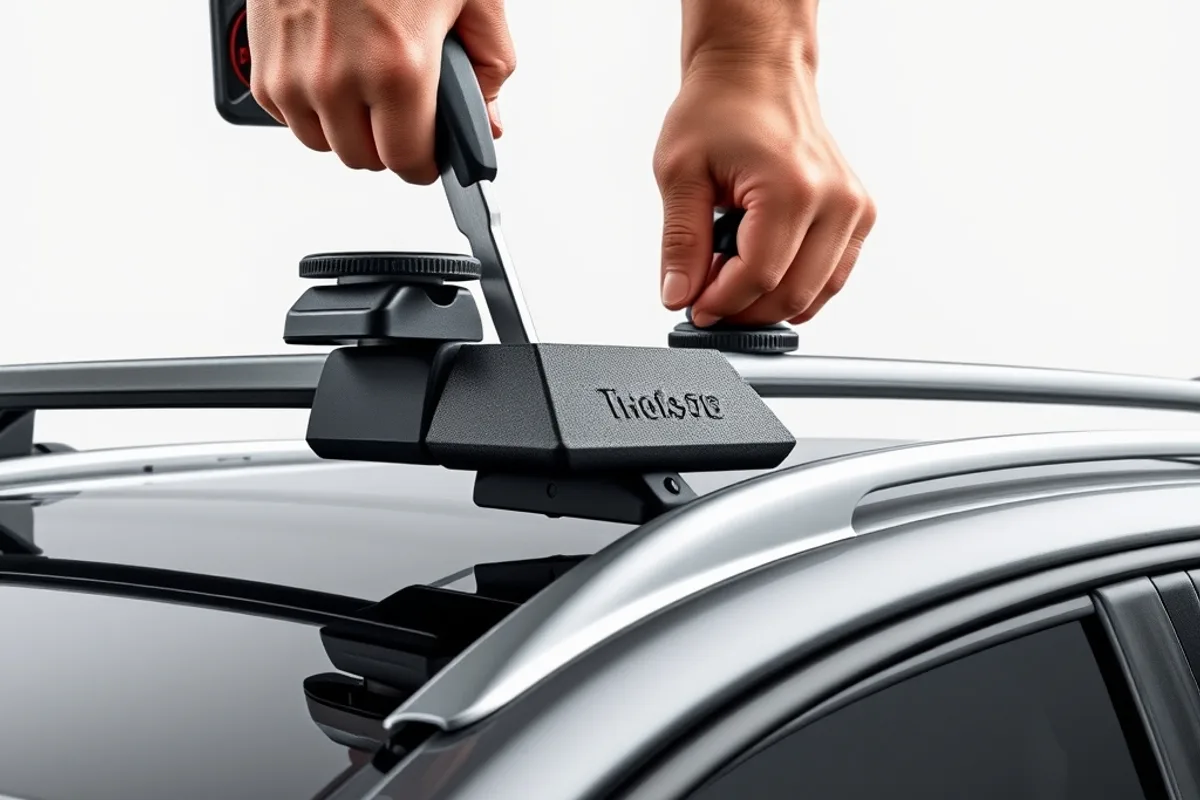
Long rails running front to back with a gap underneath. Crossbars clamp onto the rails. This is the easiest and most common system. Check the rail's own load rating and the maximum distance between the towers.
Flush roof rails
Rails that sit close to the roof with small mounting points. They look neat and require model-specific feet that locate in the factory points. Do not clamp onto the rail itself unless the manufacturer says it is allowed.
Naked roof
No rails, only gutters or fixed mounting points under small covers. These require a foot pack designed for the car. A naked roof often has the lowest load rating, and the feet must sit exactly in the reinforced points.
Whatever the system, use the vehicle-specific fit kit. A universal clamp that "seems to fit" can crush a rail, crack a roof or come loose at speed.
Bar spread and bar length
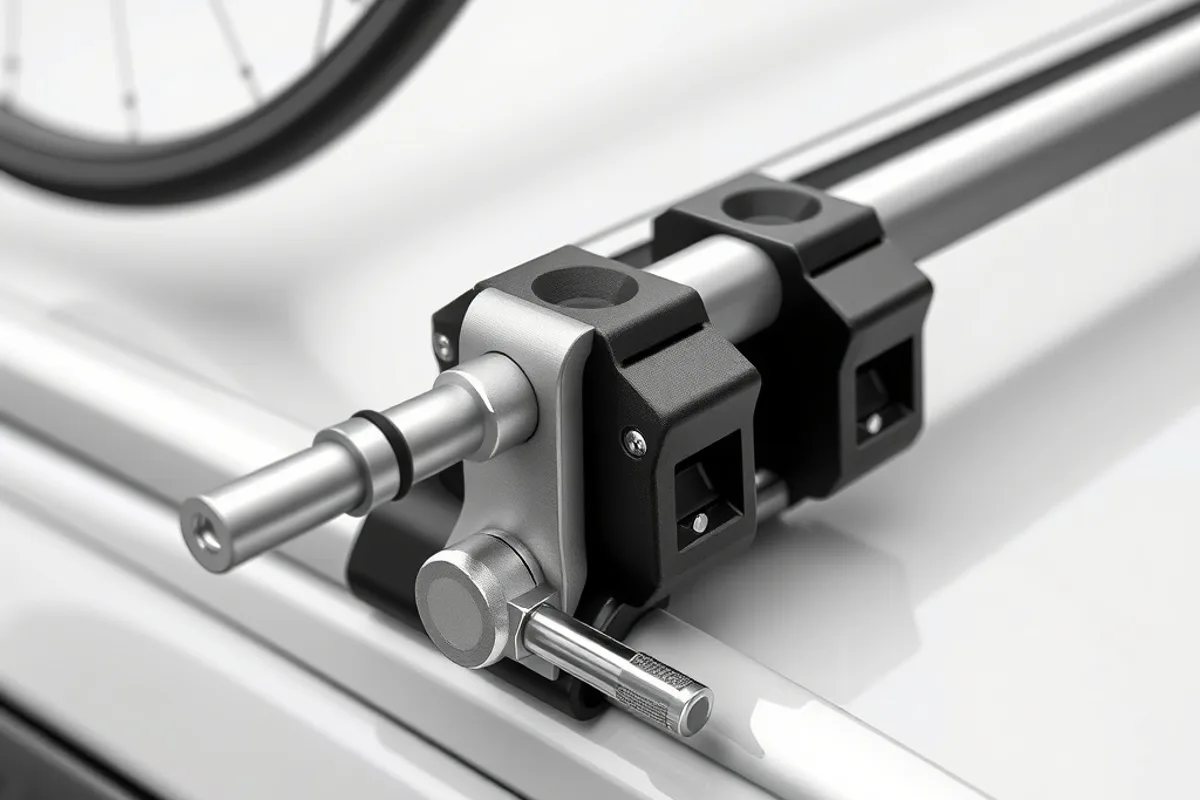
The distance between the two crossbars changes stability. A wider spread supports long items such as kayaks and timber better, while a narrow spread suits short roof boxes. Stay within the range the vehicle and rack manufacturer specify; moving the bars too far apart can put load outside the reinforced area.
Bar length determines how many accessories fit and how far they overhang. Overhang beyond the manufacturer's limit increases leverage and noise, and it can be illegal if it exceeds the vehicle's width. Check local rules for maximum overhang.
Also check the maximum load per bar and per accessory. A pair of bars rated at 75 kg each does not necessarily mean 150 kg on the roof; the vehicle limit usually comes first.
Load distribution
Heavy items should sit low, centred and over the strongest part of the roof. Keep the weight between the bars rather than cantilevered off the back. If you are carrying a roof box, put heavier items inside it toward the centre and avoid loading the lid.
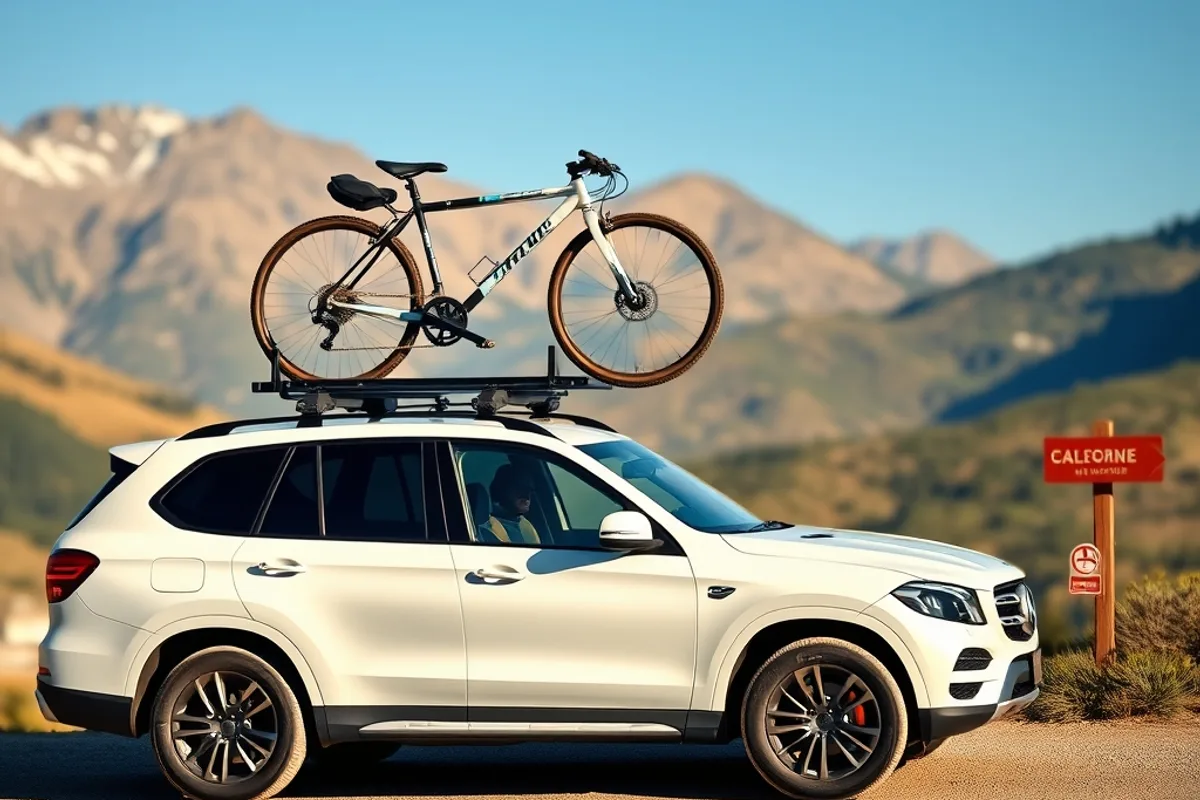
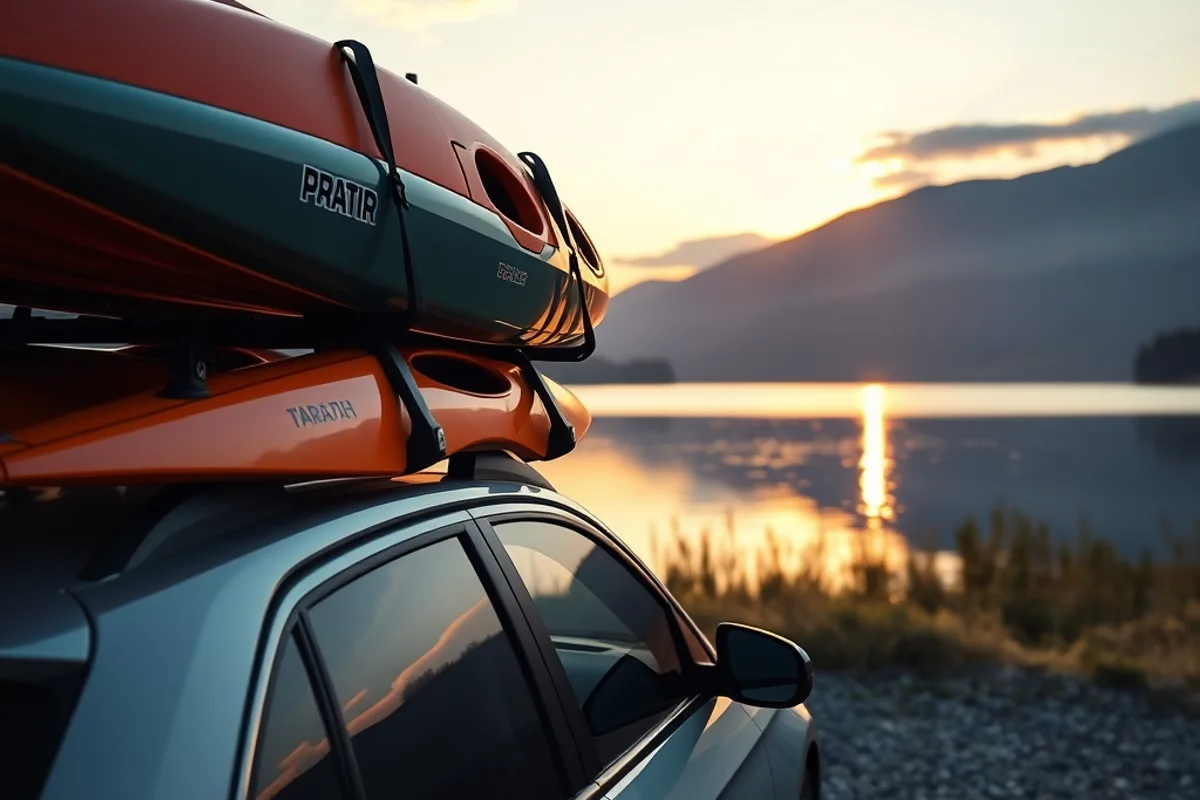
For bikes, remove what you can — a heavy e-bike is a different proposition from a carbon road bike. Use the correct tray and torque the clamps to the specified figure. For kayaks, use bow and stern tie-downs in addition to the rack straps; a single strap failure should not release the boat.
Stop and check the load after the first few kilometres, then again at each fuel stop. Straps stretch, towers settle and clamps can loosen. A quick check takes a minute and prevents most failures.
Accessories, drag and noise
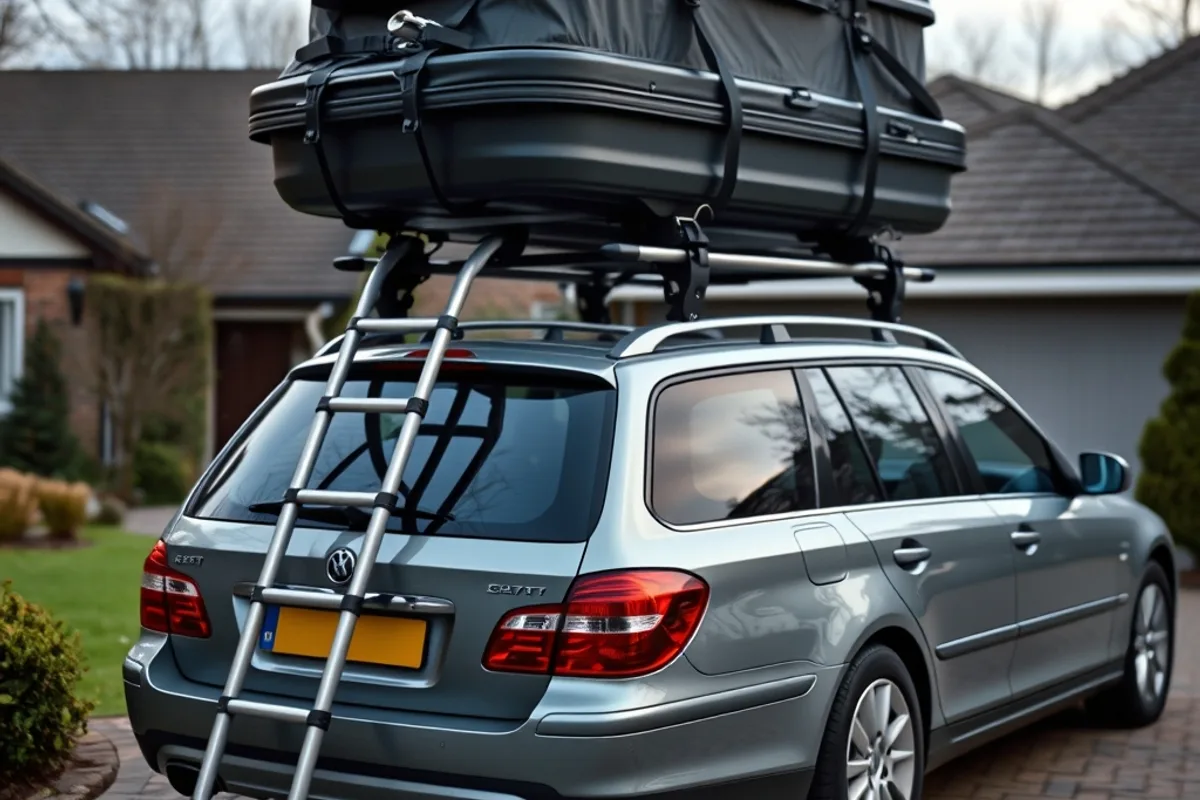
Every accessory changes the aerodynamics. An empty roof box can be quieter than bare crossbars, while a bike tray with a tall bike creates drag and noise. Expect fuel consumption to rise, especially above 100 km/h.
Noise is usually caused by air passing over or under the bars. Some crossbars have a shaped profile or a rubber strip to reduce whistle. Moving the bars slightly, or fitting a fairing, can help, but the simplest fix is to remove the rack when it is not needed.
Security matters too. Lockable towers and accessory mounts deter opportunistic theft, but they are not a guarantee. Use a cable lock through the frames as a second layer, and never leave the keys in the car.
The bottom line
Find the lowest load rating in the chain — roof, rails, towers, bars and accessory — and stay under it. Use a vehicle-specific fit kit, keep the load centred and low, and secure long items at both ends. Check the installation after the first few kilometres and before every trip.
A roof rack is one of the most useful accessories a car can have. It is also one of the easiest to overload. The number on the box is a starting point, not a permission slip.