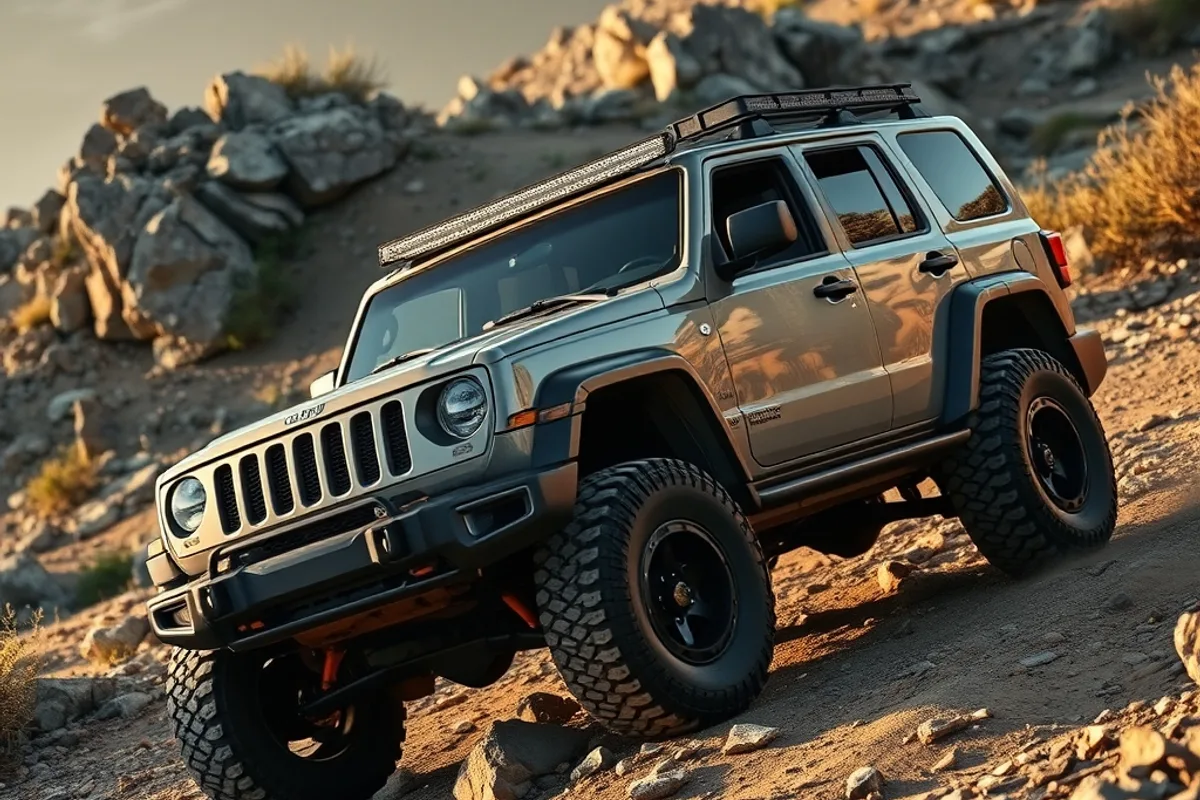
The appeal of a lift kit is simple: more clearance under the diffs, a better approach angle and a stance that looks right. The problem is equally simple. Raising a vehicle changes the geometry that the manufacturer spent years tuning, and every component downstream — control arms, driveshafts, brake lines, steering, sensors — has an opinion about it.
A good lift is not the tallest one that fits. It is the smallest one that achieves the goal while keeping the vehicle stable, safe and pleasant to drive.
What a lift actually changes
Lifting the body or the suspension raises the centre of gravity. That affects cornering, braking stability and the way the vehicle reacts in an emergency. It also changes suspension travel: a spacer lift keeps the original springs and dampers but moves their operating window, while a suspension lift replaces springs and often dampers with longer, stiffer components.
There is a practical rule for road-driven vehicles: keep the lift modest, usually 40–50 mm, unless there is a specific obstacle that demands more. Beyond that, the cost and compromise rise quickly.
Spacer versus suspension kit
Spacer lifts
Spacers sit above the strut or between the spring and the perch. They are cheap and preserve the factory ride for the first few centimetres of lift. Their limits are real: the original damper runs outside its intended range, droop is reduced, and the springs may become the limiting factor for load.
For a light lift on a vehicle that mostly commutes and occasionally sees gravel, a well-made spacer kit with bump-stop extensions and geometry correction can be adequate.
Suspension lifts
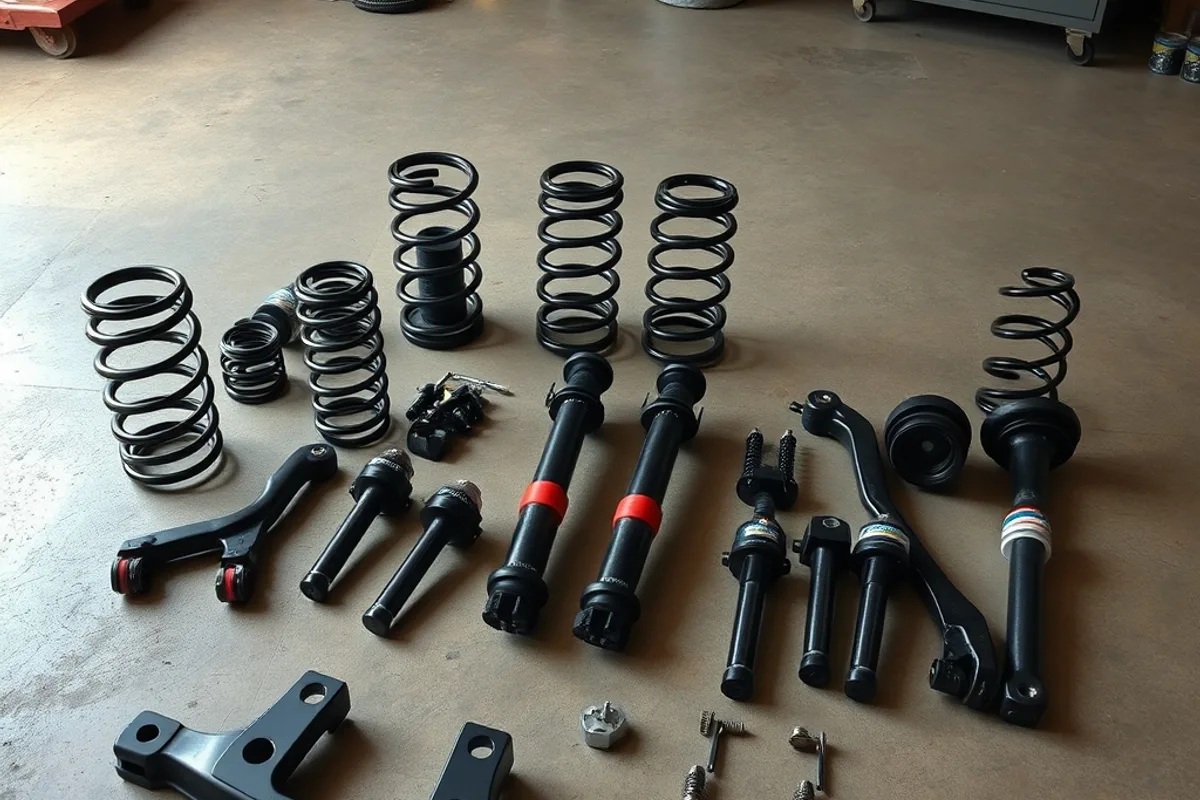
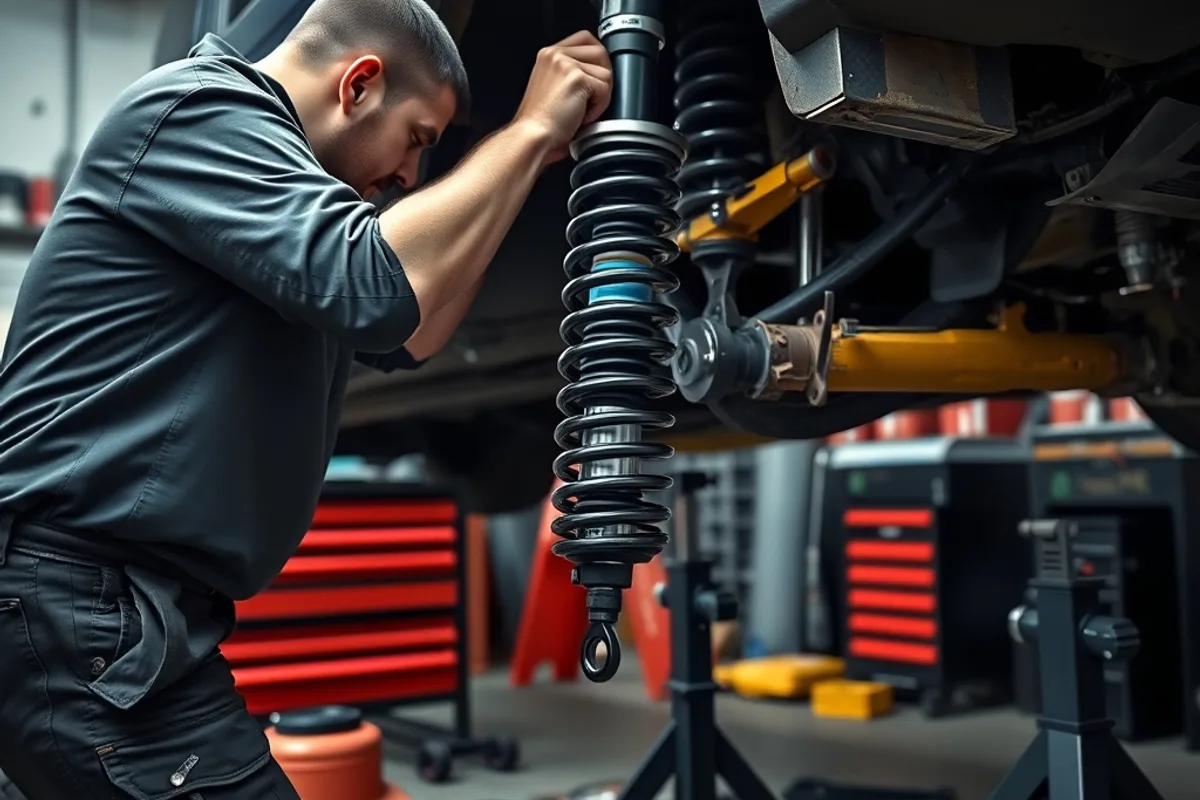
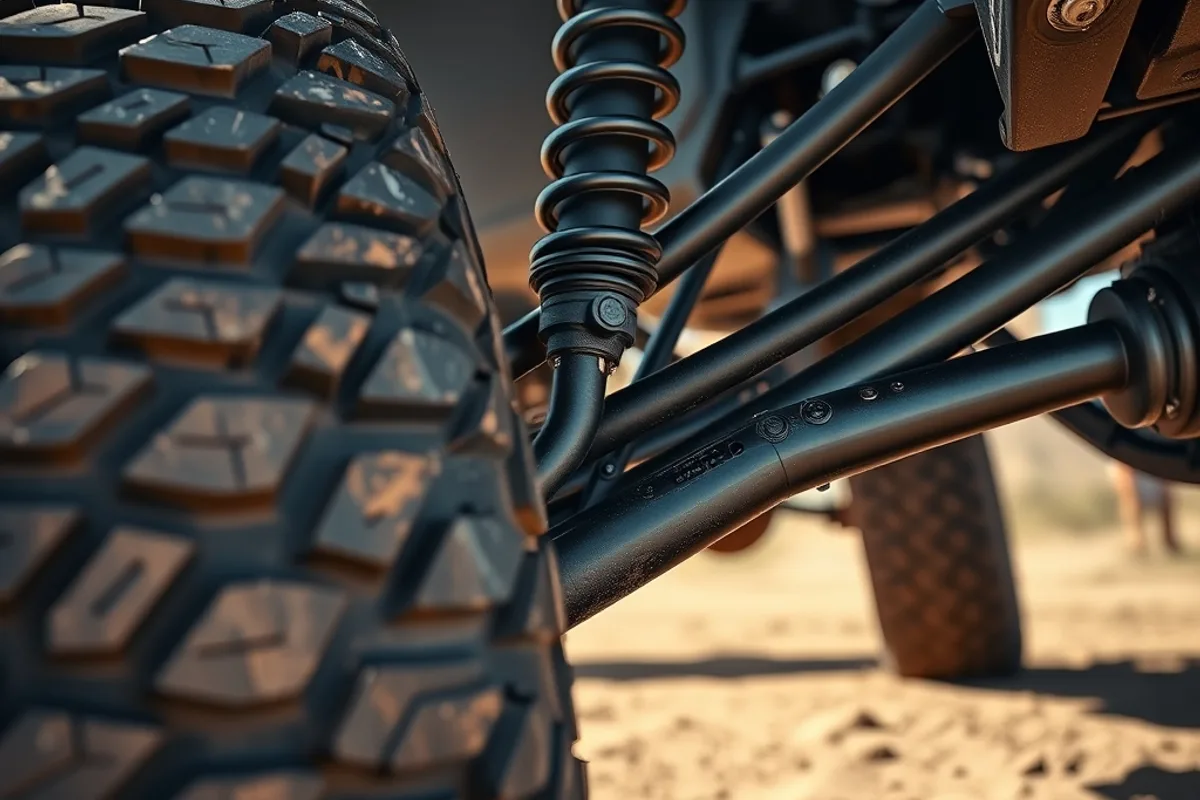
A proper suspension kit replaces springs and dampers, and often includes longer brake lines, bump stops, sway bar links and control arms. It costs more but keeps travel and damping matched to the new height. For a vehicle that carries load or drives rough roads regularly, this is the better investment.
Cheap suspension kits cut corners on damping and spring rate. The result is a vehicle that sits tall but wallows, bottoms out and wears tyres. Height without control is not capability.
Geometry is the real cost
As the suspension extends, camber and caster change. A small lift may stay within adjustment range; a larger one will not. The usual corrections are:
- Upper control arms with corrected ball joint angles to restore camber and caster.
- Adjustable panhard or track bars to centre the axle after a lift.
- Caster correction to prevent wandering and light steering.
- Extended bump stops to protect dampers and bodywork from over-travel.
- Longer brake lines and diff breathers so nothing is stretched at full droop.
- Driveshaft and CV angle checks, especially on independent front suspension.
An alignment is mandatory after the install. So is a check of the steering angle sensor and any driver assistance cameras, because raising the vehicle changes the sensor horizon.
Tyre clearance is another geometry issue. A bigger tyre may rub the inner guard at full lock or full compression, even if it clears at standstill. Test the combination through its full range of motion before committing.
Tyres and gearing
Most of the off-road gain comes from tyres, not from the lift. A taller, more aggressive tyre increases ground clearance under the axle, improves traction and changes the gearing at the same time.
Larger diameter tyres effectively make the gearing taller. On a vehicle with modest torque, that can mean sluggish acceleration, earlier downshifts and a speedometer that reads low. Recalibrate the speedometer and consider a gear change if the jump is significant.
Bigger tyres also add unsprung weight. Braking, steering and suspension components all feel it. Keep the overall diameter increase sensible, choose a load rating that matches the vehicle, and do not fit a heavy mud tyre to a vehicle that spends 90 percent of its life on tarmac.
Legal and insurance reality
Lift and tyre modifications are regulated differently in every jurisdiction. Some places allow a modest lift with an engineering certificate; others require inspection, and some prohibit body lifts entirely. Insurance policies often require disclosure of suspension and tyre changes, and an undisclosed modification can complicate a claim.
Before ordering parts, confirm:
- The maximum legal lift and tyre size for the vehicle and region.
- Whether an engineering assessment or inspection is required.
- What the insurer needs to know and whether it will still cover the vehicle.
- Whether the change affects the manufacturer's warranty.
Keep the factory parts. They make the vehicle easier to return to standard and easier to sell.

The bottom line
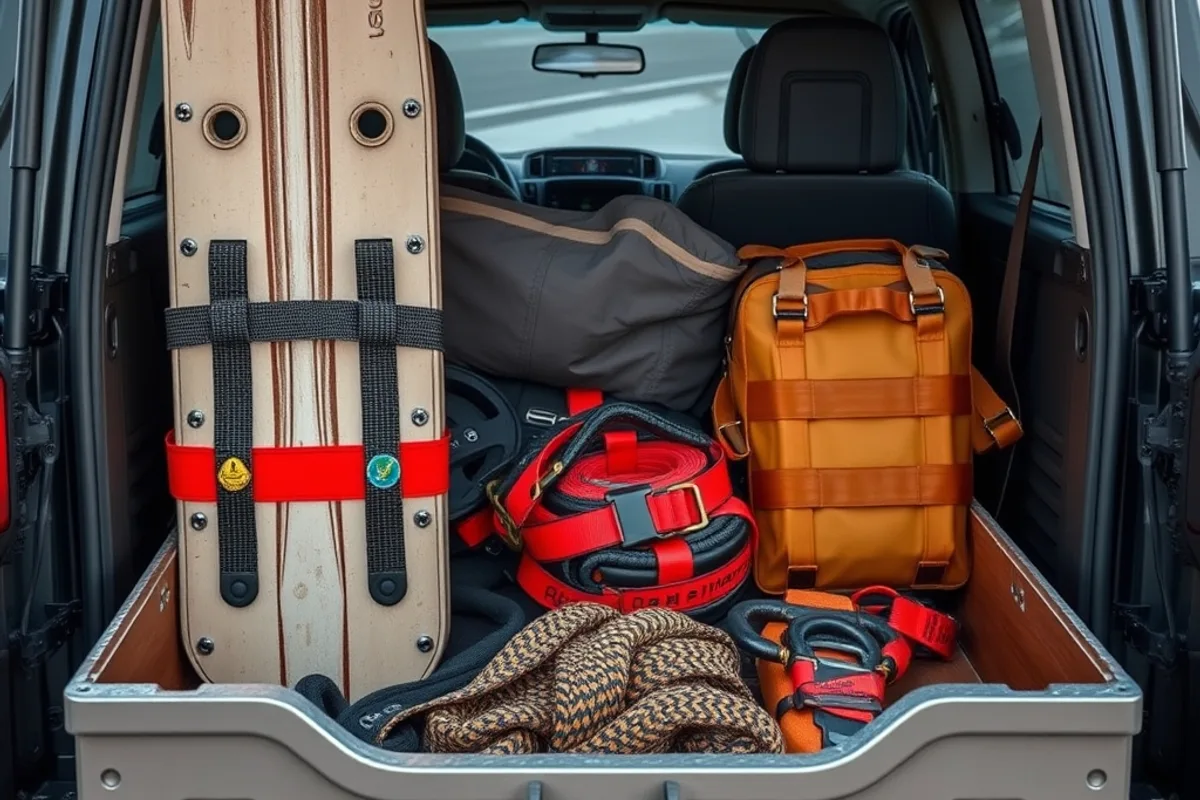
Choose the smallest lift that solves the actual problem. Buy a complete, matched kit rather than the tallest spacer set. Budget for geometry correction, alignment, recalibration and possibly gearing. Then spend what is left on tyres and recovery gear, which do more for real-world capability than another 25 mm of height.
A well-built lifted vehicle feels planted, steers predictably and remains comfortable on the road. A poorly built one looks the part and reminds the owner of it at every corner. The difference is not the height. It is the homework.