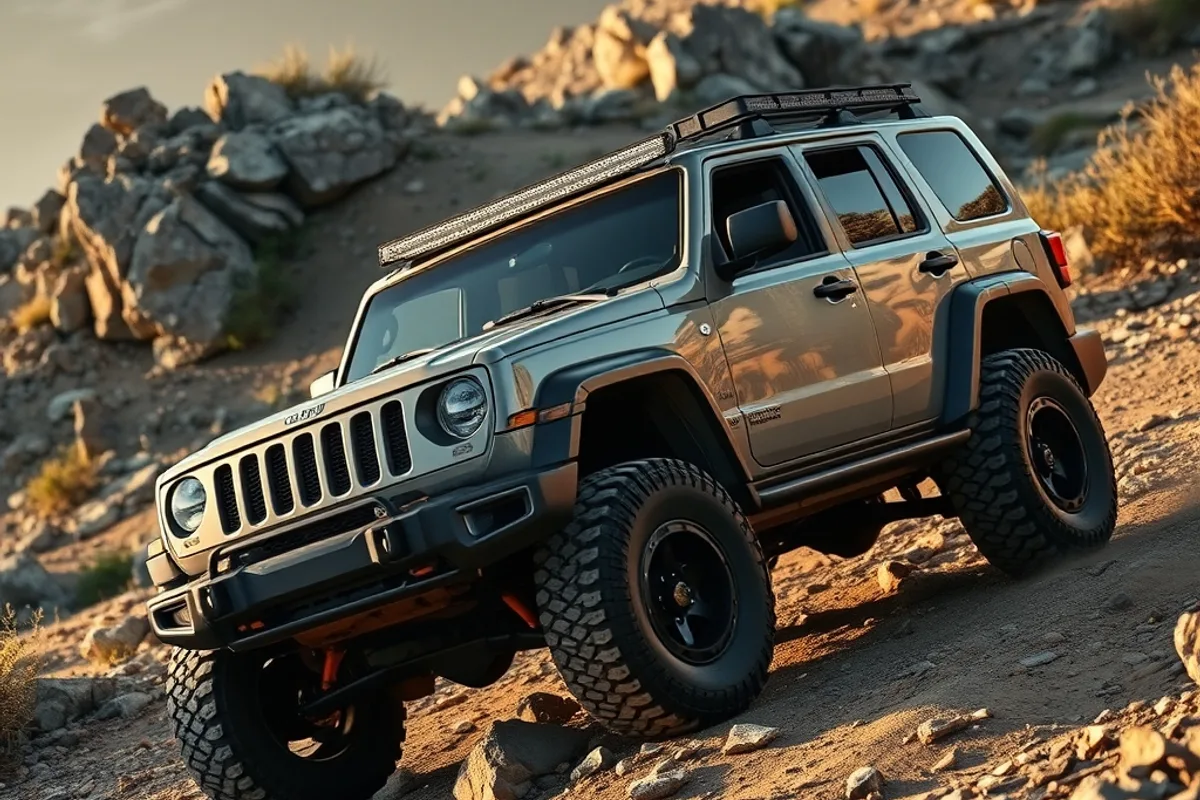
Every off-road forum has a photograph of a vehicle buried to the sills, surrounded by expensive equipment, and still stuck. Recovery is rarely about owning more gear. It is about understanding the situation, using rated equipment correctly and knowing when to stop digging.
The best loadout is the one you have practised with, that fits in the space you have, and that matches the terrain you actually drive. Here is a sensible order of priorities.
Start with recovery points
Before buying a strap, make sure there is something safe to attach it to. Factory tie-down loops are for securing the car during transport, not for snatching two tonnes of vehicle out of mud. A proper recovery point is bolted to the chassis or a rated bumper and is designed for the load.
- Front and rear rated points are the minimum. Many modern 4x4s have one at each end; some only have a rear point.
- Never use a tow ball as a recovery point. Tow balls can shear under shock loads and become projectiles.
- Inspect mounting hardware for corrosion and correct grade bolts. A rated point bolted with hardware-store bolts is not rated.
If the vehicle has no suitable point, fit one before spending money on anything else. This is the least glamorous part of recovery and the most important.
Ropes, straps and shackles
The vocabulary is confusing because the products look similar. The behaviour is very different.
Kinetic recovery rope
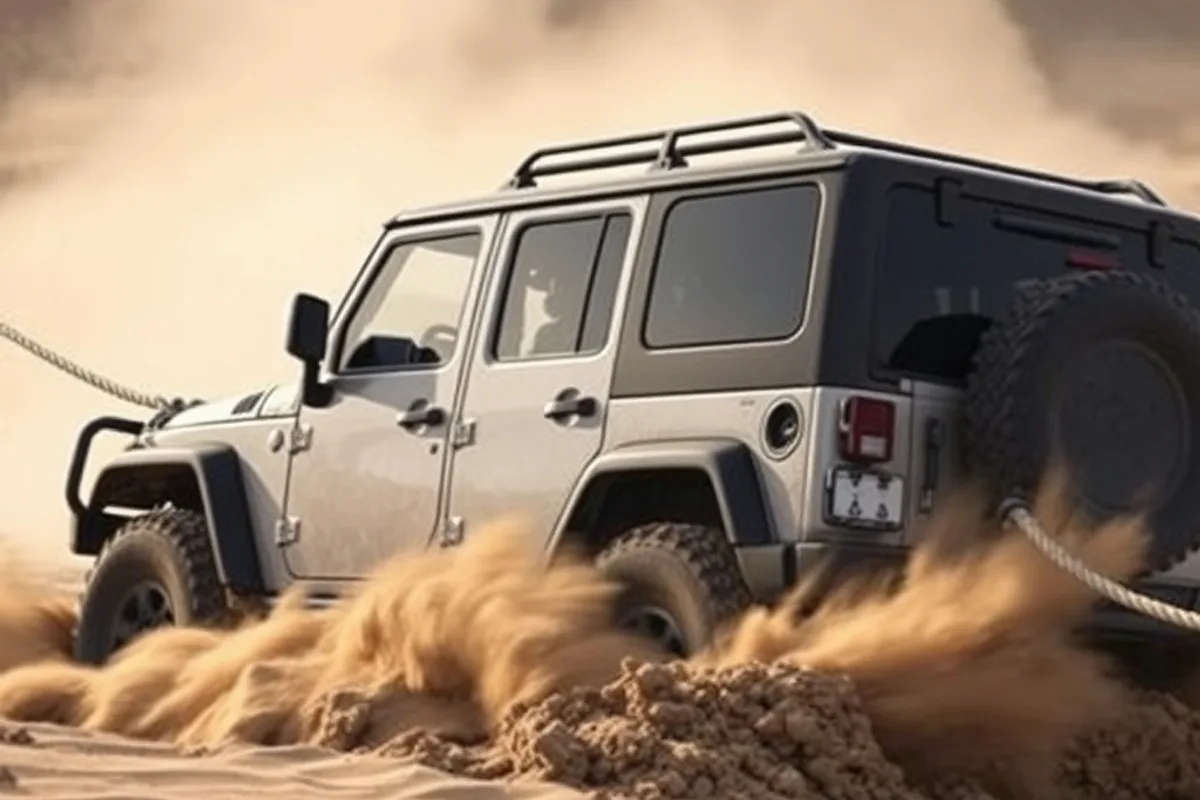
A kinetic rope is designed to stretch and store energy, then release it to pull a stuck vehicle free. It is used with a rolling start and a steady pull, not a violent jerk. It is the most useful single recovery item for soft sand, mud and snow, provided both vehicles have rated points and the driver understands the technique.
Static tow strap
A static strap does not stretch. It is used for towing or for a controlled steady pull, not for snatching. Using a static strap as a kinetic rope transfers the shock directly to the vehicles and can break hardware.
Tree strap and winch extension
A wide tree strap protects the tree and provides an anchor point. A winch extension adds reach when the nearest anchor is far away.
Shackles
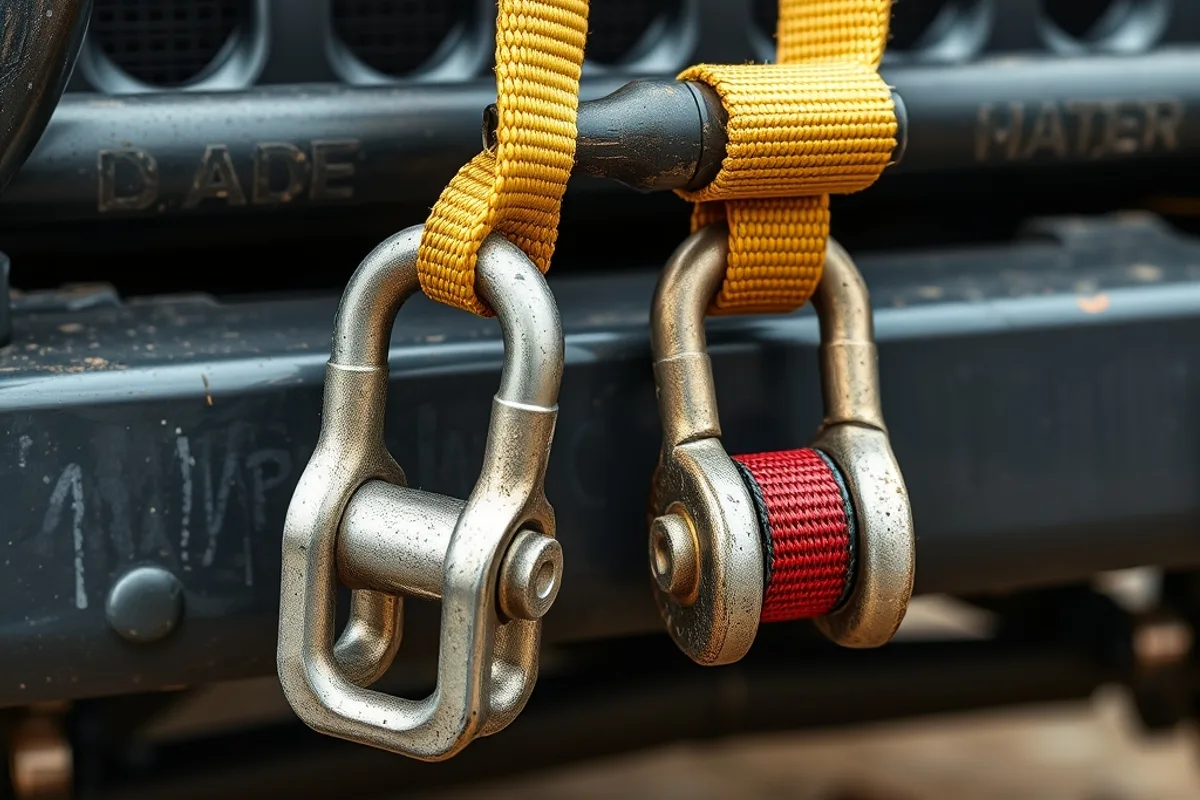
Use rated bow shackles or soft shackles with a working load limit comfortably above the vehicle's weight. Soft shackles are light, safe and strong, but they need inspected, smooth attachment points. Never use a shackle to join two straps at an angle that side-loads it.
Every item should carry a rating and a clear working load. If a product has no rating, it is a consumable, not recovery equipment.
Traction boards
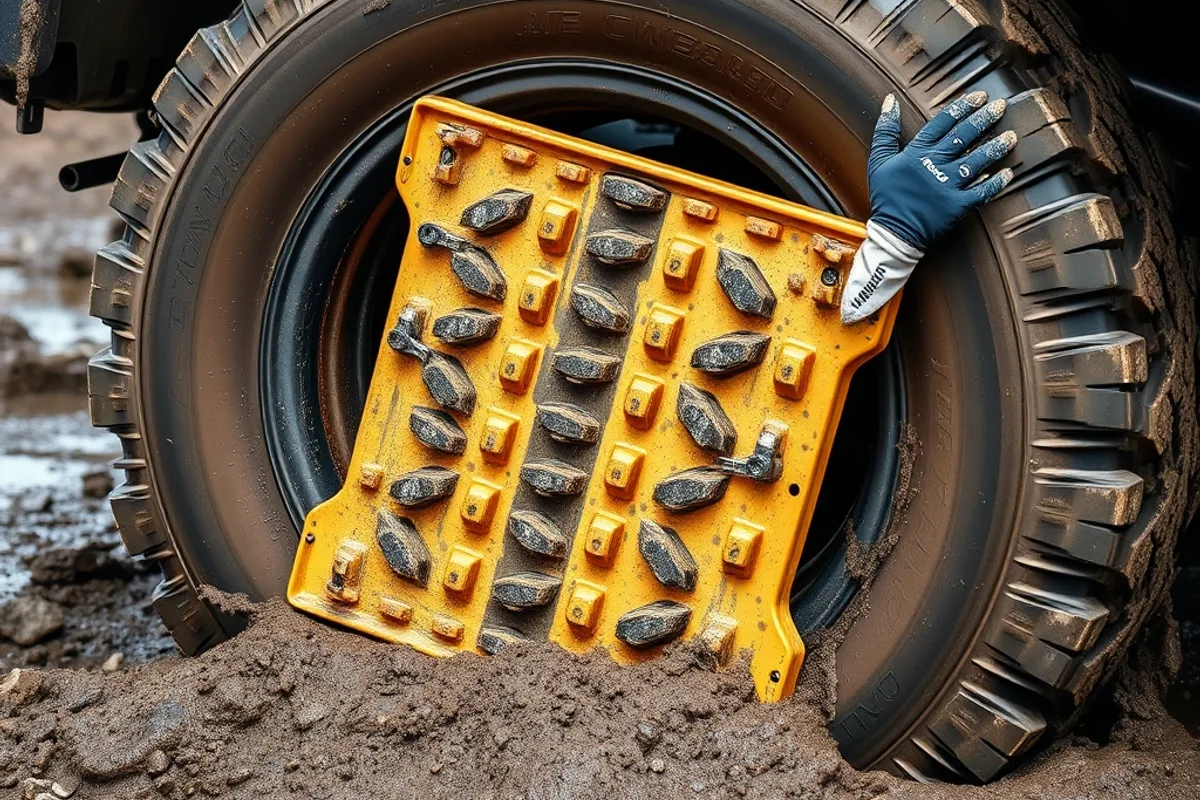
Traction boards are simple, effective and underrated. They give a spinning tyre something to grip, bridge ruts, and can be used as a ramp or a base for a jack. Two boards are enough for most solo situations; four make a more capable kit but take up real space.
Technique matters. Clear the loose material in front of the tyre, dig a shallow ramp, lay the board so the leading edge is buried and the tyre can climb onto it, and use gentle, steady throttle. Spinning the tyre aggressively can melt a plastic board or launch it out from under the wheel.
Cheap boards flex and crack in cold weather. Look for a board with a proper load rating, a textured surface and a design that stacks. Store them where they are easy to reach, not under the spare wheel and a week's luggage.
Winching, or not
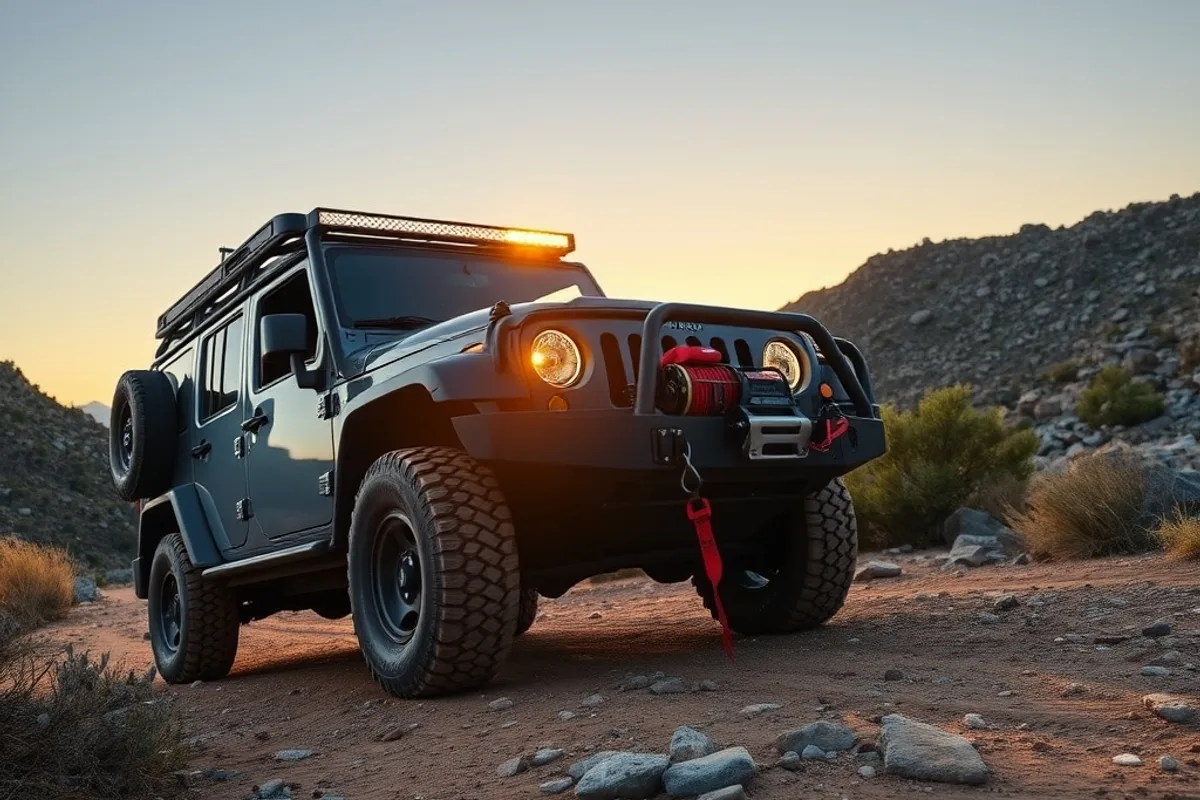
A winch is powerful, heavy and expensive. It is also the wrong first purchase for most owners. A winch needs a rated mount, a suitable battery and charging system, gloves, a damper, tree protection and, most importantly, practice.
If you do fit one:
- Use a winch line with the correct rating for the vehicle and the intended recovery.
- Lay out the line straight, use a damper over the middle, and keep people well clear.
- Wear gloves and never let a hand pass close to the fairlead.
- Take the load in stages, checking the anchor and the line as you go.
- Never winch directly onto a tow ball or a non-rated structure.
For many drivers, a kinetic rope, two boards, a shovel and a friend in another vehicle will solve more situations than a winch ever will. Add the winch when the terrain and the travel style genuinely call for it.
Packing a kit that works
A practical solo kit for moderate terrain:
- Two rated recovery points, front and rear.
- One kinetic recovery rope with a rating above the loaded vehicle weight.
- Two rated shackles or soft shackles.
- A tree strap and a pair of gloves.
- Two traction boards.
- A compact shovel and a tyre pressure gauge with a compressor.
- A first aid kit and a way to communicate when there is no signal.
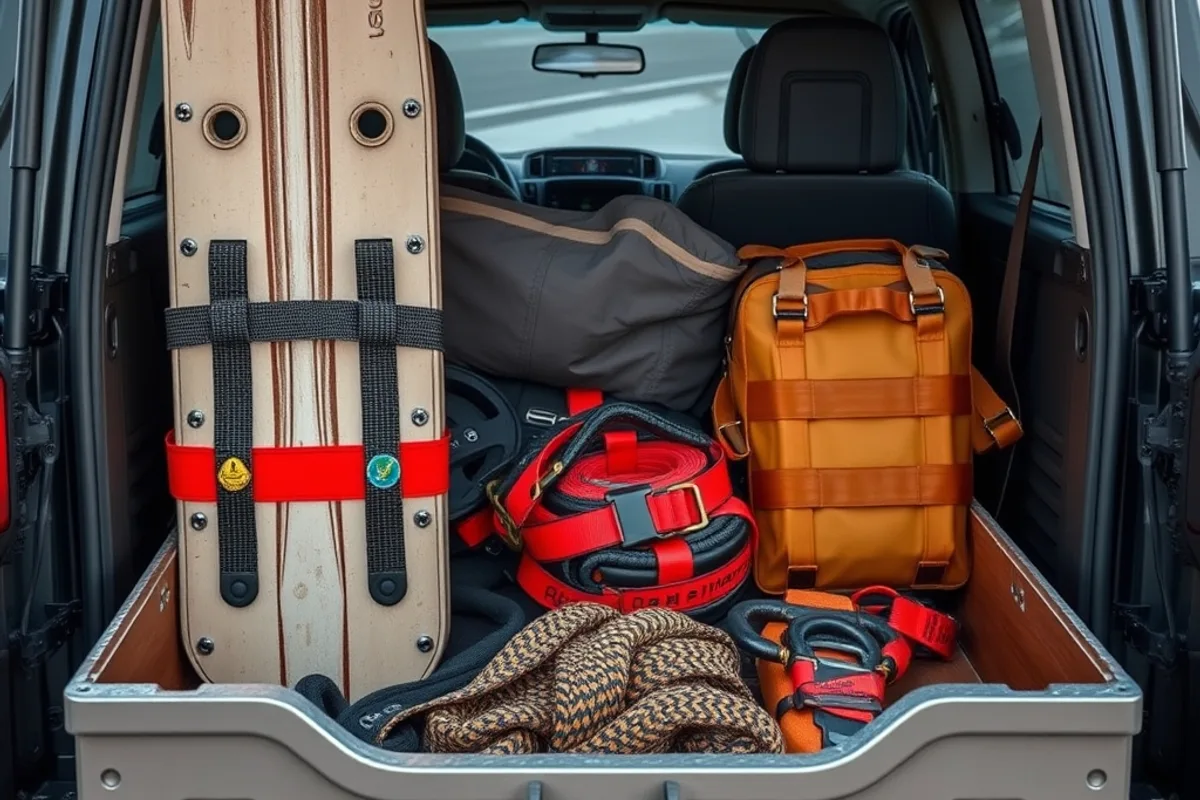
Store it in one bag or drawer so it can be checked and moved between vehicles. Inspect ropes and straps after every use for abrasion, cuts and heat damage; retire anything that is compromised. A recovery kit is safety equipment, and safety equipment has a service life.
The bottom line
Build the kit in the order that matches risk: recovery points, a rated kinetic rope, shackles, boards, shovel, then winch. Learn the technique before you need it, and practise in a safe place with another vehicle.
No kit replaces judgement. If the situation is beyond your equipment or experience, stop, reduce the load and call for help. The goal is to drive home, not to star in a recovery video.